

How do you feel about all natural herbal therapy?
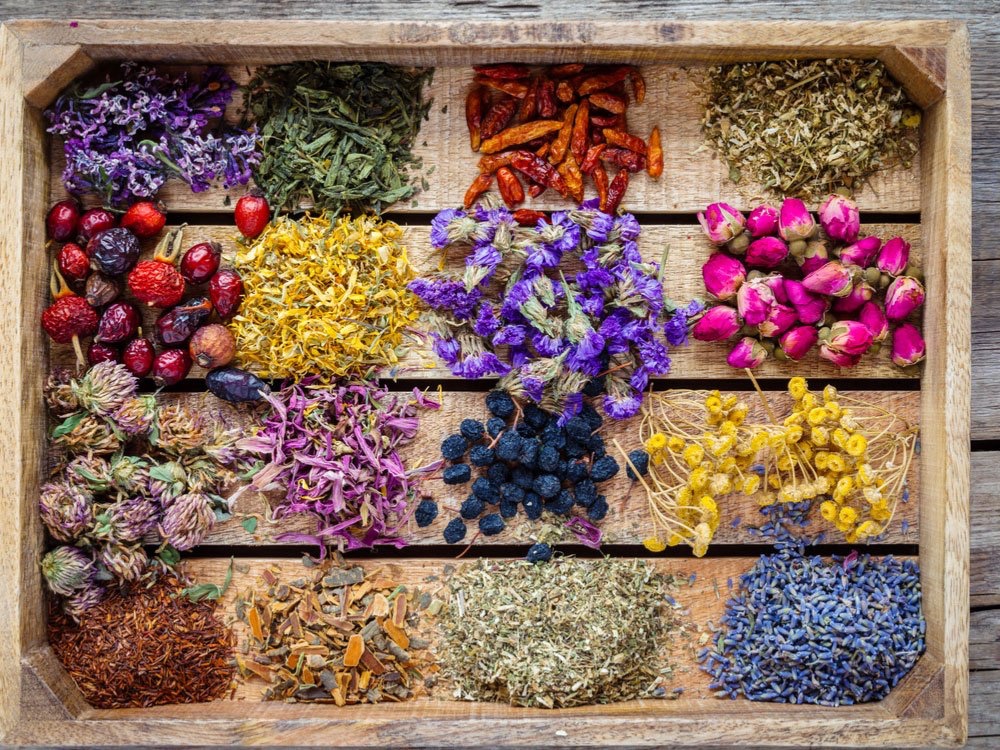
It’s quite the interesting topic. I personally love herbal teas! I have mentioned in my Q&A blog how I literally have a collection. I use it to wind down for the night and even when I may need to calm stress throughout the day or an energy boost. Different types of herbs give different benefits.
☕️🌱
Let’s take a look at some information on different herbs and their benefits.
Herbal therapies, or also called herbal remedies:
They are plants used as a medicine. They can be used to get relief from symptoms, relax (reduce stress), boost energy, and even to lose weight! Though, herbs are not regulated or tested as medicine’s are, they are an all natural plant remedy. They can also be used to cure or prevent a disease. Herbs can come in many forms for therapeutic uses.
As we can see, not only are they good for mental health symptoms, they can be used for your overall health. The goal for this blog is to help with information on which herbal therapies are good for different types of mental health symptoms, but of course it never hurts to inform of other benefits can come from them.
Not everyone will agree with herbal remedies, and that is perfectly okay! Just remember, if you ever do give it a try, it’s natural. That always gives me comfort knowing when using them. It is helping my body with no bad side effect. But with that said, please keep in mind that it is always a good idea to talk to your doctor before trying anything new. Especially if you are on any type of medication, or have any known or unknown allergies. You wouldn’t want to risk any side effect that may be possible when mixing with any type of medication. I am not a doctor so I cannot say if that is possible or not, but a health care professional can help with any questions you may have and go over your medical history, as well as advise to watch for any allergies or side effects. It’s important to keep that in mind, for your personal safety even if you are interested in an all natural plant based remedy.
Take a look at this herb combo with vitamin C. This is one that I’ve tried before, in capsule form.
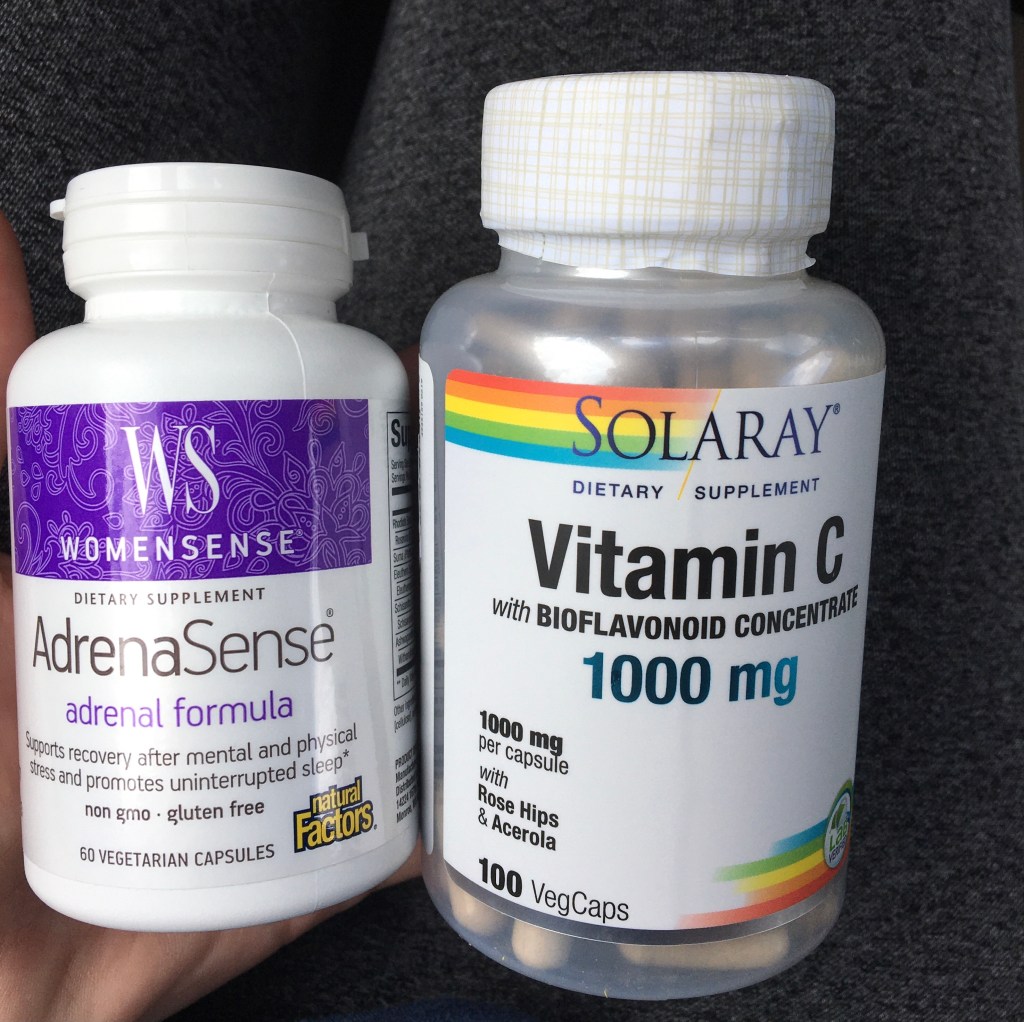
The benefits of the AdrenaSense works together with the Vitamin C capsules. To help give the overall best effect the AdrenaSense is used for.
AdrenaSense is a natural formula containing rhodiola, suma, Siberian ginseng, schisandra, and ashwagandha. It provides herbal support for healthy adrenal gland function and promotes uninterrupted sleep during occasional sleeplessness, as well as, to help improve mental and physical performance after periods of exhaustion and to temporarily promote relaxation. It works with the adrenals, supporting healthy cortisol levels. So, you are pretty much healing your adrenal glands to promote the repair of its normal function. AdrenaSense is a product of the WomenSense line dedicated to helping women reach their full health potential.
AdrenaSense Suggested Use:
2 capsules mid-day with food or as directed by a health professional. Up to 4 capsules can be taken daily. (Take 1 vitamin C capsule with each AdreaSense dose)
The reason for using vitamin C with AdrenaSense is because vitamin C is directly involved in the production of cortisol and other adrenal hormones. The highest levels of vitamin C are found in your adrenal glands. Vitamin C is also a building block for recovery from fatigued adrenals.
Other Vitamin C benefits:
Vitamin C it’s self can enhance an overall better mood. Interesting fact, vitamin C is also known as, ascorbic acid. And it’s essential to a number of key processes in the body. Without vitamin C, your body cannot produce the protein needed for healthy blood vessels, skin, tendons and ligaments. Vitamin C is also necessary for wound healing and for maintaining the bones, cartilage and teeth. In addition, vitamin C is required by the immune system and necessary for absorbing the mineral iron from the foods that you eat.
Okay! So, enough of the adrenal health. I want to get to the other herbs! (Yay!)🌿🌱😁
Let’s go over types of herbs and the benefits they produce.
Herbal Therapies for Anxiety:
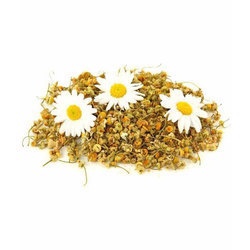
1. Chamomile – Chamomile is a flowering herb similar in appearance to a daisy. There are actually two types of Chamomile that people can use. Those are Roman Chamomile and German Chamomile. Different ways someone can use Chamomile to help relieve stress and anxiety include the following:
– Tea
– Extract
– Tablet
– Skin cream
It is possible to have an allergic reaction to Chamomile. Particularly so if someone has experienced reactions to these following plants:
– Ragweed
– Chrysanthemums
– Marigolds
– Daisies
It is possible that Chamomile may interact with certain medications. So, as I stated above it is always best to talk to your doctor before consumption of Chamomile teas or supplements.
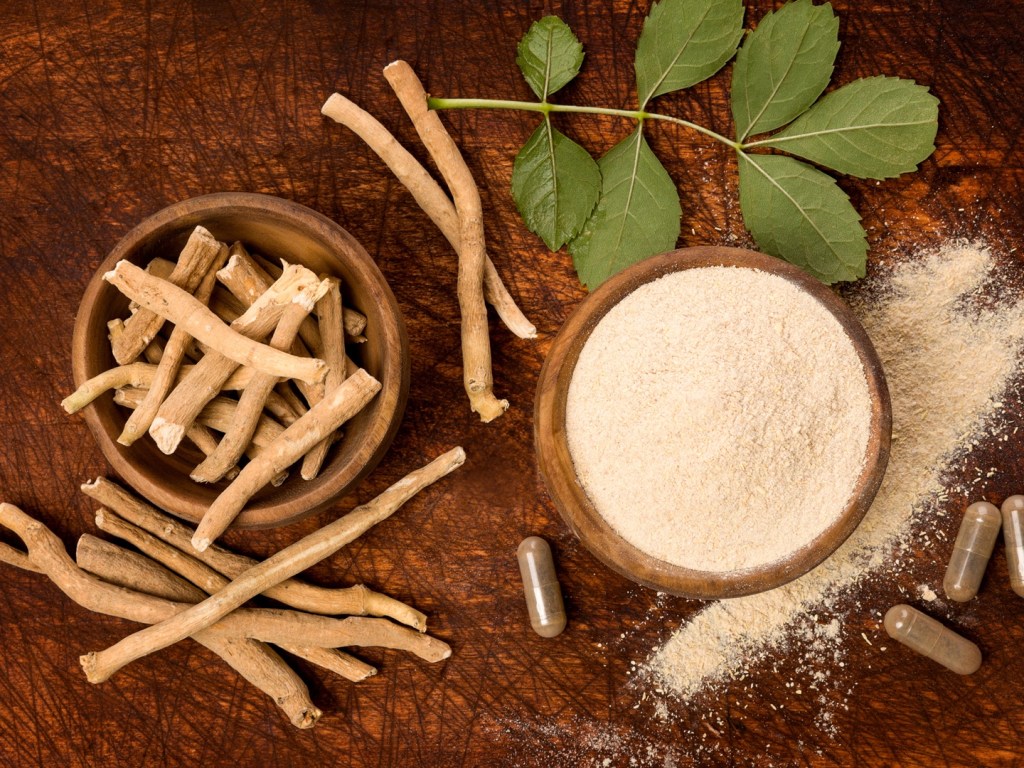
2. Ashwagandha – Ashwagandha or also known as, Withania Somnifera is among a group of herbs called “adaptogens”.
Adaptogens affect systems and hormones in the body that regulate a person’s stress response. People can take ashwagandha in the following ways:
– Tablet
– Liquid Tincture
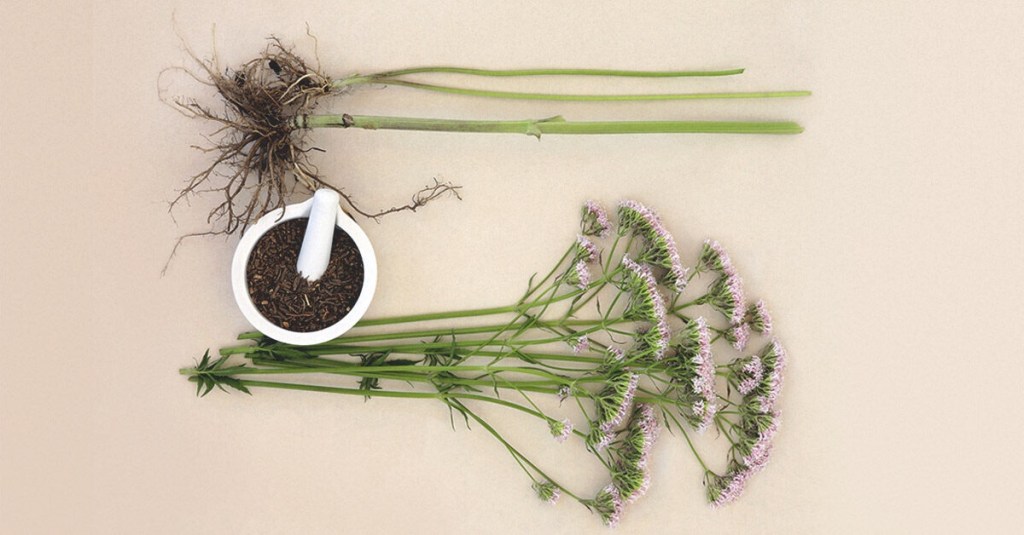
3. Valerian– Valerian also known as, Valeriana Officinalis, is a plant native to Europe and Asia. For many centuries, people have used the root to help treat sleep problems, anxiety, and depression.
Valerian root is available in the following forms:
– Tea
– Tablet
– Tincture
There is a study that suggest Valerian is generally safe. However, the NCCIH note that there is no information on the long-term use or safety of Valerian in the following groups:
– Pregnant women
– Nursing Mothers
– Children under 3 years of age
People should also be aware that Valerian may have a sleep inducing effect. Taking the herb with alcohol or sedatives will add to this effect and could be dangerous.
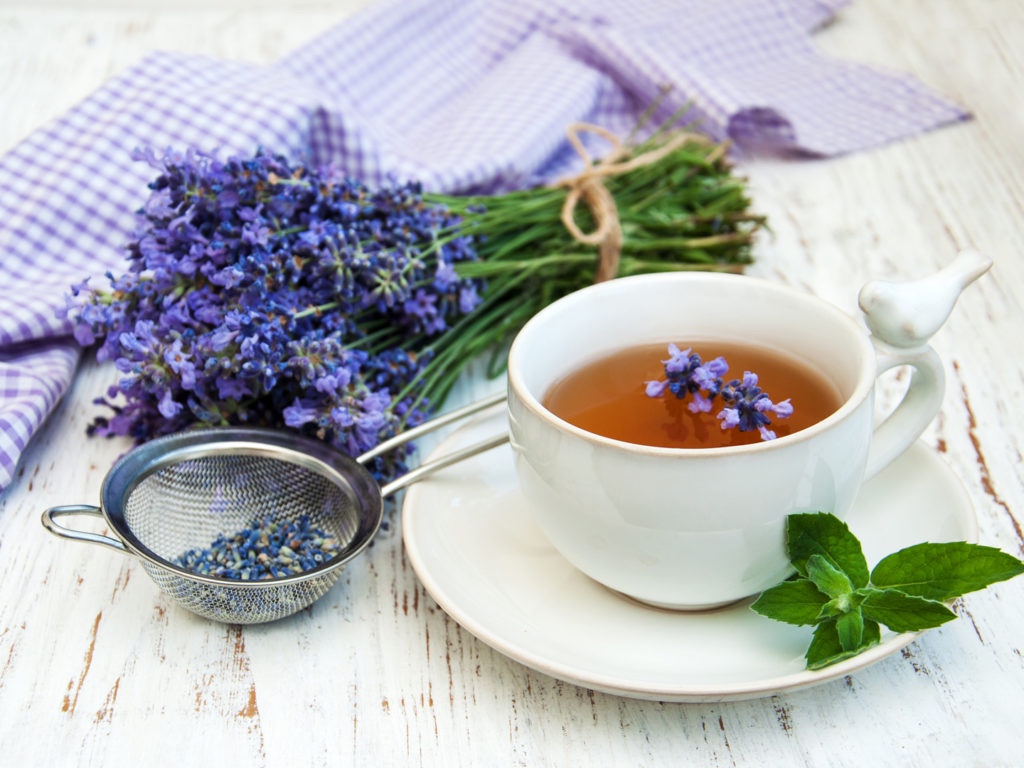
4. Lavender– Lavender is a flowering plant belonging to the mint family. Many people use lavender to help calm the nerves and alleviate anxiety.
People may use lavender in the following ways:
– Making tea from the leaves
– Using the oil in aromatherapy
– Mixing the essential oil into a base oil for massage
– Adding the oil or flowers to baths
Lavender essential oil (LEO) contains chemicals called terpenes. A study suggest that two of these terpenes called linalool and linalyl acetate may have a calming effect on chemical receptors in the brain.
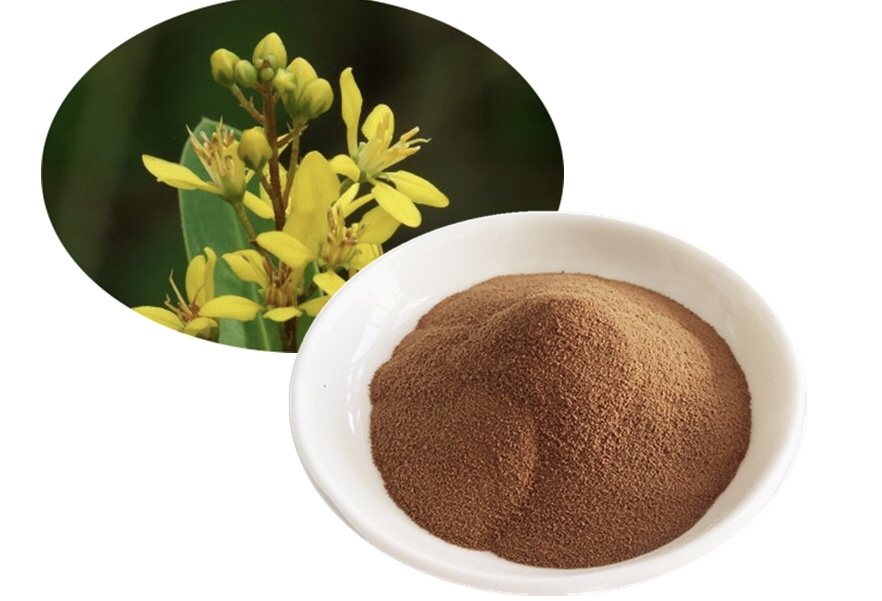
5. Galphimia Glauca – Galphimia glauca is a plant species native to Mexico. People traditionally used it as a tranquilizer to reduce anxiety. According to a review, the evidence for G. glauca as a treatment for anxiety is promising. However, medical companies have not exploited its potential due to a lack of available plant material.
There was a clinical trial study performed on participants. Half of the participants were given G. glauca while the other half were given the prescription anti-anxiety medication Lorazepem for 12 weeks.
Researchers continued to monitor the participants for a further 3 weeks to test for withdrawal symptoms. Results showed that participants who received a daily dose of 0.175 mg of G. glauca showed a greater reduction in anxiety symptoms compared with those who took Lorazepam. Both treatments were safe.
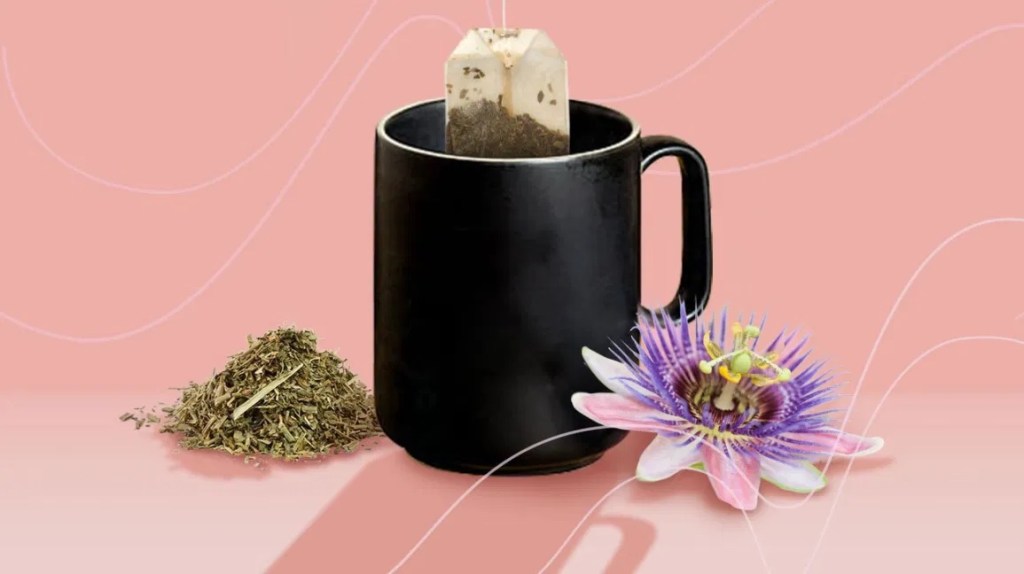
6. Passionflower – Passionflower or Passiflora is a family of plants with around 550 different species. Some studies show that a particular species, P. incarnata, may be effective in treating restlessness, nervousness, and anxiety.
According to a review of complementary treatments, some evidence suggests that the anti-anxiety effects of P. incarnata are comparable to those of benzodiazepines.
Benzodiazepines are a class of drug that doctors may prescribe to treat anxiety.
People can take P. incarnata in tablet form or as a liquid tincture.
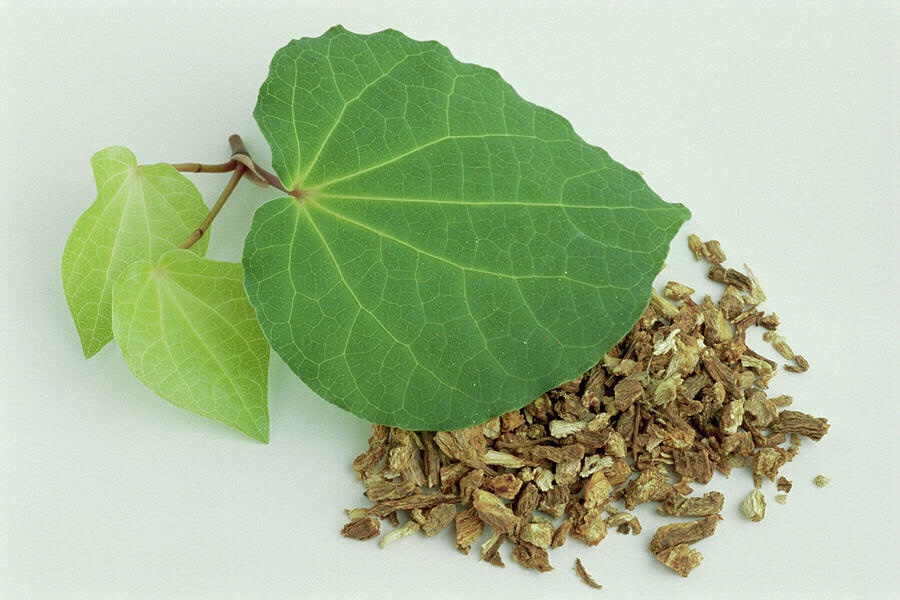
7. Kava Kava – Kava Kava or simply kava, is a shrub that is native to the islands of the Pacific Ocean. Its scientific name is Piper methysticum.
In the Pacific Islands, people use kava in a ceremonial beverage intended to relieve stress and alter mood.
Participants taking kava in a clinical trial showed a significant reduction in anxiety, suggesting kava may be a moderately effective short-term treatment for anxiety.
The study also found kava to be safe. People can buy Kava as a supplement online or in health food stores.
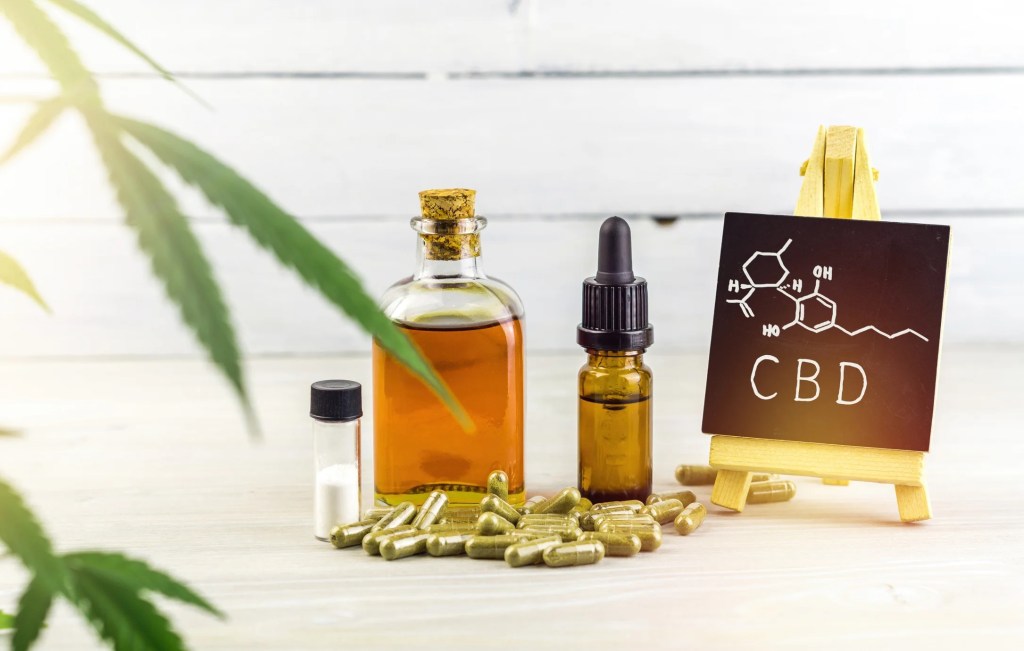
8. Cannabidiol (CBD) – It’s is one of the active ingredients of the cannabis plant.
Research suggest that CBD may have a calming effect on the central nervous system.
It can be found in the following forms:
– Tablet
– Liquid extract
– Vape liquid
– Topical cream
Researchers concluded that CBD may be beneficial for people with anxiety-related disorders.
Herbal Therapy/Herbal Remedies for depression:
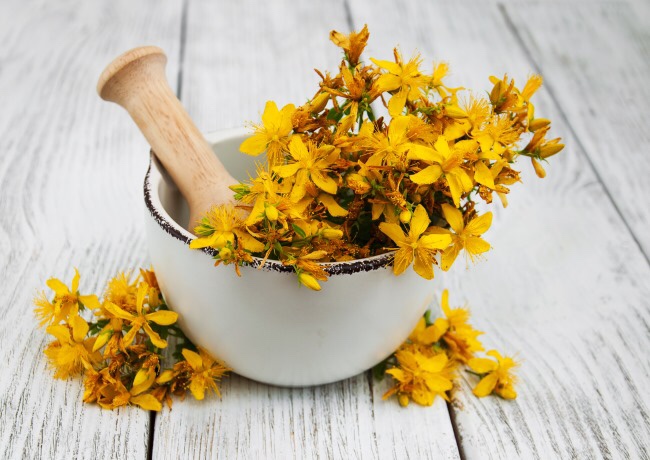
1. St. John’s Wort – Relatively well-known herb that has been used for centuries as a successful treatment for depression.
It is most often taken in a capsule/pill form or drank as a tea, although other methods such as essential oils or consumption of the fresh herb may also be used.
A study has shown that this herb is at least as effective as most regularly prescribed antidepressants in the United States if not more effective. The study was able to determine that St. John’s Wort can successfully treat mild and moderate depression symptoms with fewer side effects than those experienced when taking antidepressant medication.
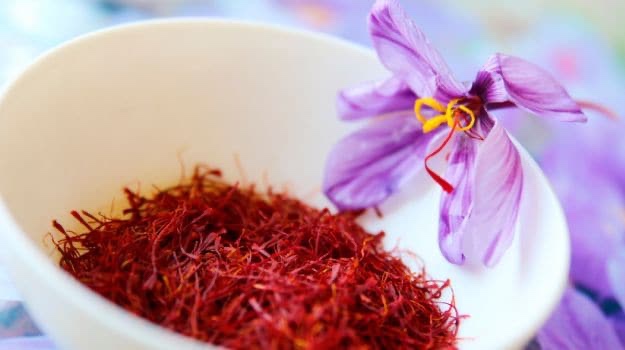
2. Saffron – Saffron is an exotic and luxurious spice of the Far East that sports a rich orange-red color and a distinctive flavor. But did you know it can also be used as an antidepressant?
While saffron can be more expensive to obtain than some of the other herbs on this list, it elicits a surprisingly effective response against depression without the other undesirable side effects of antidepressant medications.
There are three primary bioactive substances in saffron: picrocrocin, safranol, and crocin. These three substances work together to achieve the desired antidepressant effects in the body. Research also suggests that crocin and safranol’s inhabitation of dopamine, norepinephrine, and serotonin reuptake receptors in the brain is likely responsible for the antidepressant effects that saffron produces in people who are experiencing depression symptoms.
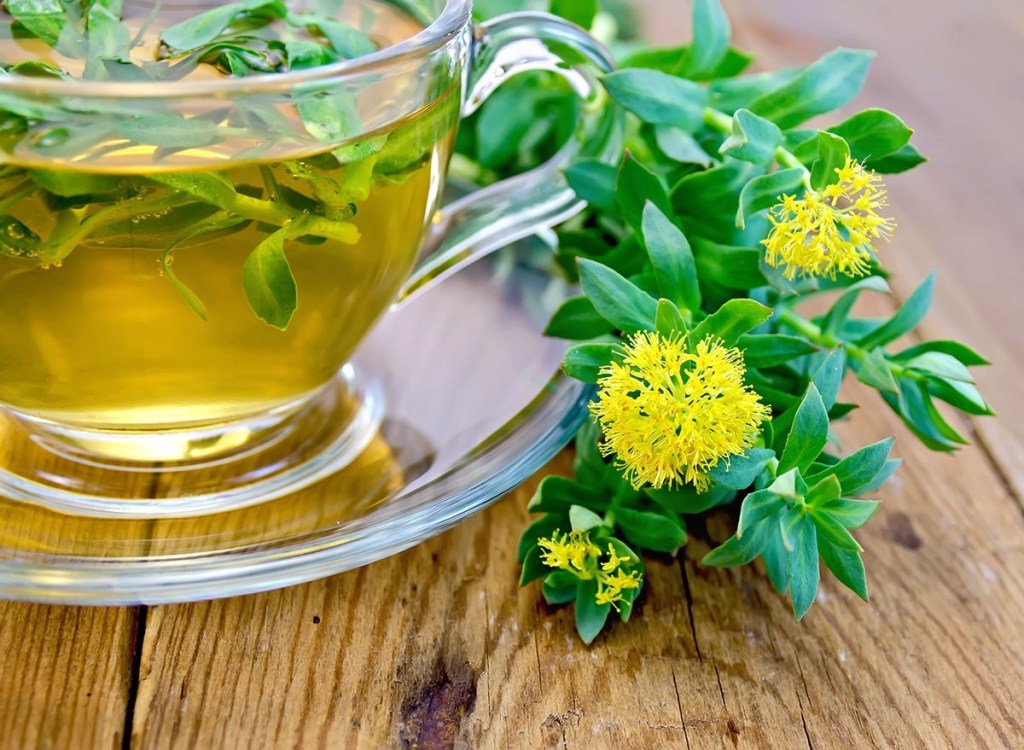
3. Rhodiola – Because Rhodiola is an adaptogenic herb, it’s a fantastic treatment for not only depression but also for other kinds of mood disorders! Rhodiola is particularly well suited to managing and treating depression caused by stress and stressful situations, or that caused by PTSD.
Rhodiola is also sometimes called Arctic Root or Golden Root and its main purpose is to help the body fight off stress reactions and to support healthy mood balancing.
It’s said that this herb is best taken as an extract.
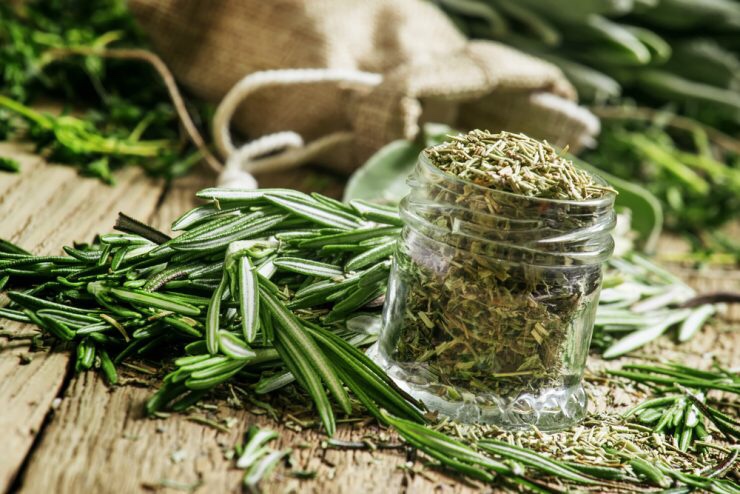
4. Rosemary – This might be a surprising remedy for depression, but rosemary is actually quite effective in treating nearly all forms of mild to moderate depression and the accompanying symptoms. The plant’s primary constituents, rosmanol, circimaritin, and salvigenin all work together to produce both depression-fighting and anxiety-reducing effects. These constituents are thought to work by working with the GABA receptors in the brain.
Rosemary is an important healing herb, but it’s also a great spice to keep in your kitchen. The plant can be used with most Italian dishes and also in some Middle Eastern foods to “supplement” an anti-depression herb or medication protocol. If you want a more concentrated form of the herb, consider buying rosemary in capsule form or as an essential oil (food grade).
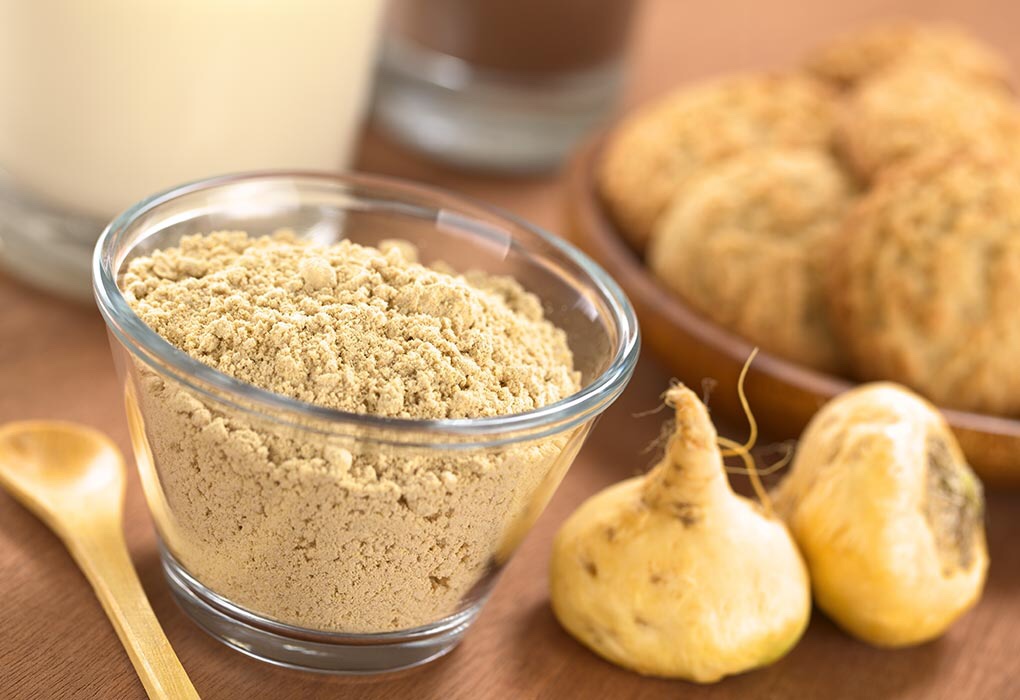
5. Maca Root – Maca is used to treat a variety of ailments, including (but not limited to) depression, decreased libido, pre-menopausal symptoms, and more. The root is generally consumed as a tea, in capsule form, or as a powder mixed with water or milk. While the plant can be used to treat depression in both men and women of any age, it’s most often used to treat anxiety and depression in women who have reached menopause because of its balancing effects on the hormonal systems in the body.
There was a study that analyzed the effects of maca root on depression and other pre- and post-menopausal symptoms in women. The study found that there were dramatic improvements in both mood, libido, and overall energy in all of the 14 women who participated in the study.
Is herbal medicine really effective?
Well, yes! Effectiveness of herbal preparations is directly linked to appropriate dosing, frequency and choice of herb. The main reason you hear of herbs not working is due to inappropriate dosing or using the incorrect herb for the illness.
Honestly, herbal remedies depend on your comfort. It’s important to learn about the herb(s) you may be interested in, and the best way to take them.
Happy herbing!😌🌱☕️🌿




 Live to Inspire - Mental Health Awareness