
Herbal Therapy for Mental Health benefits

How do you feel about all natural herbal therapy?
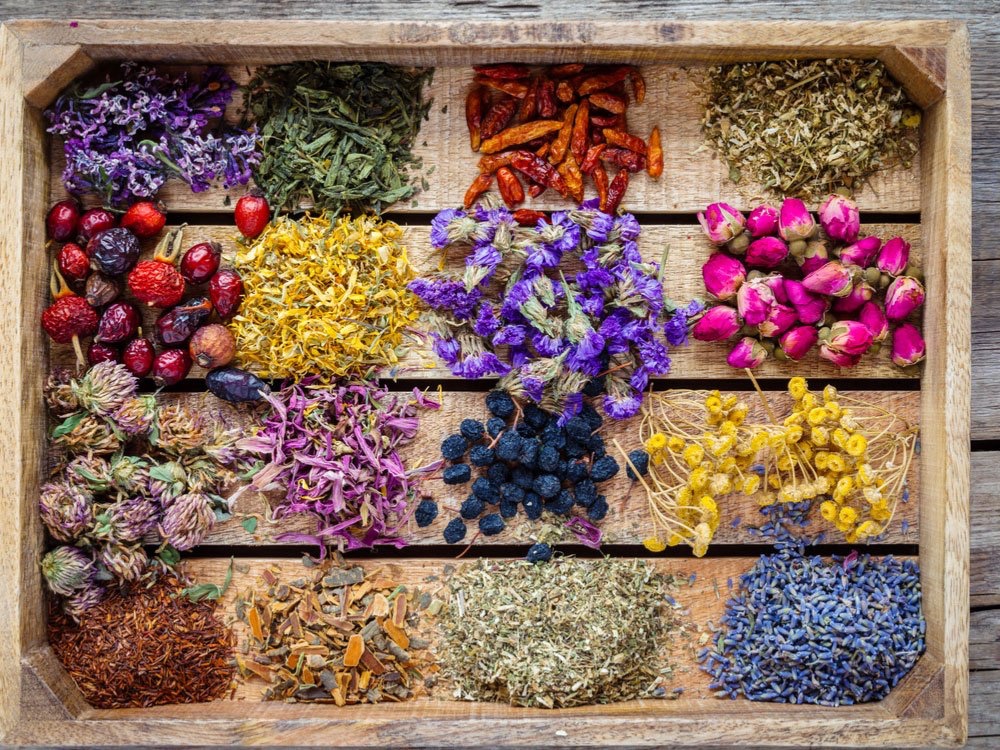

It’s quite the interesting topic. I personally love herbal teas! I have mentioned in my Q&A blog how I literally have a collection. I use it to wind down for the night and even when I may need to calm stress throughout the day or an energy boost. Different types of herbs give different benefits.
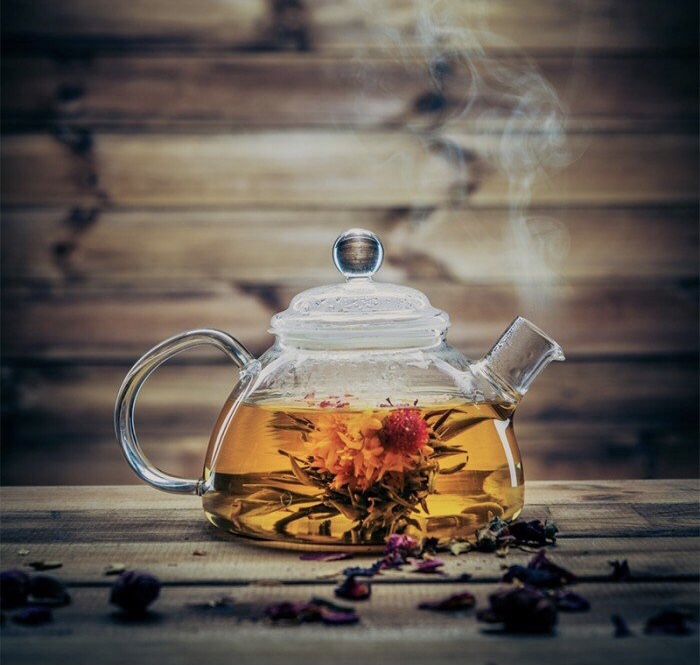
How can something look so beautiful and appetizing at the same time!?
☕️🌱

Let’s take a look at some information on different herbs and their benefits.

Herbal therapies, or also called herbal remedies:
They are plants used as a medicine. They can be used to get relief from symptoms, relax (reduce stress), boost energy, and even to lose weight! Though, herbs are not regulated or tested as medicine’s are, they are an all natural plant remedy. They can also be used to cure or prevent a disease. Herbs can come in many forms for therapeutic uses.

As we can see, not only are they good for mental health symptoms, they can be used for your overall health. The goal for this blog is to help with information on which herbal therapies are good for different types of mental health symptoms, but of course it never hurts to inform of other benefits can come from them.

Not everyone will agree with herbal remedies, and that is perfectly okay! Just remember, if you ever do give it a try, it’s natural. That always gives me comfort knowing when using them. It is helping my body with no bad side effect. But with that said, please keep in mind that it is always a good idea to talk to your doctor before trying anything new. Especially if you are on any type of medication, or have any known or unknown allergies. You wouldn’t want to risk any side effect that may be possible when mixing with any type of medication. I am not a doctor so I cannot say if that is possible or not, but a health care professional can help with any questions you may have and go over your medical history, as well as advise to watch for any allergies or side effects. It’s important to keep that in mind, for your personal safety even if you are interested in an all natural plant based remedy.

Take a look at this herb combo with vitamin C. This is one that I’ve tried before, in capsule form.
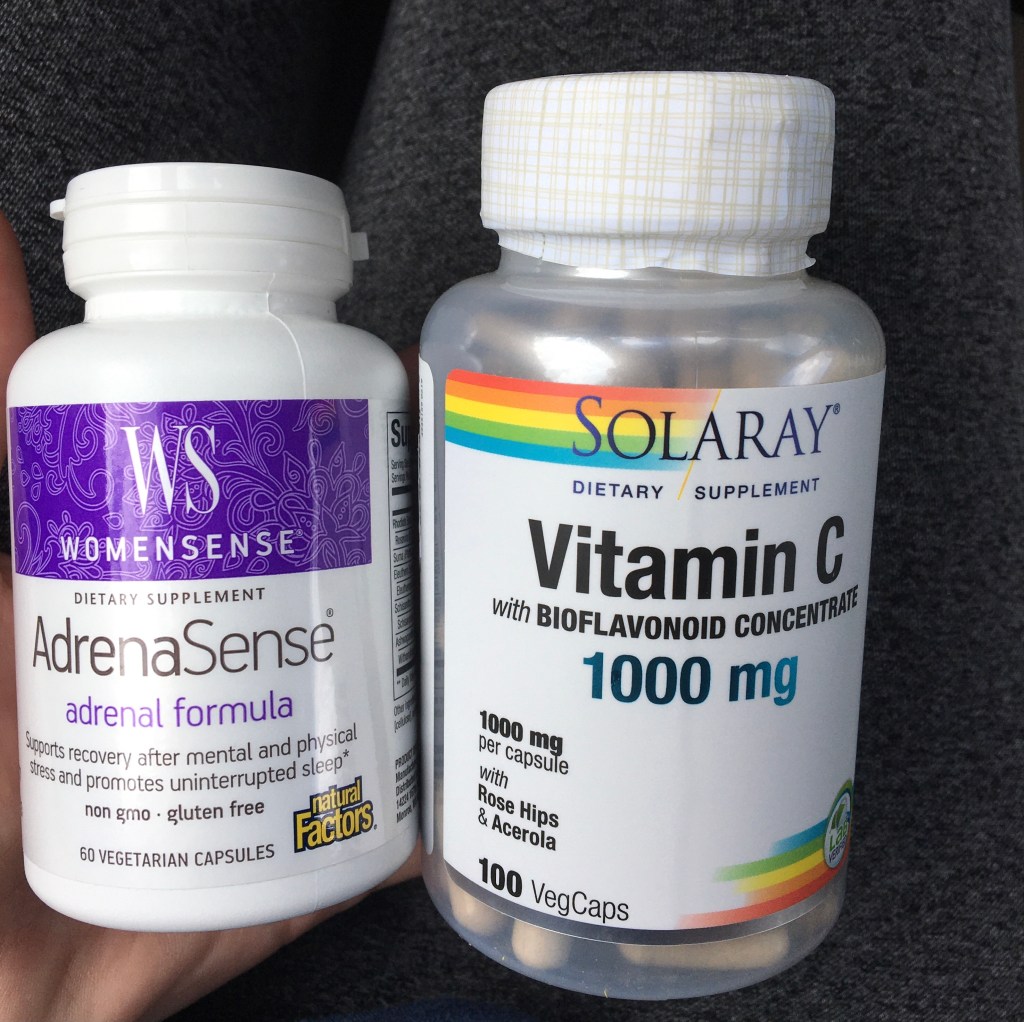
The benefits of the AdrenaSense works together with the Vitamin C capsules. To help give the overall best effect the AdrenaSense is used for.

AdrenaSense is a natural formula containing rhodiola, suma, Siberian ginseng, schisandra, and ashwagandha. It provides herbal support for healthy adrenal gland function and promotes uninterrupted sleep during occasional sleeplessness, as well as, to help improve mental and physical performance after periods of exhaustion and to temporarily promote relaxation. It works with the adrenals, supporting healthy cortisol levels. So, you are pretty much healing your adrenal glands to promote the repair of its normal function. AdrenaSense is a product of the WomenSense line dedicated to helping women reach their full health potential.

AdrenaSense Suggested Use:
2 capsules mid-day with food or as directed by a health professional. Up to 4 capsules can be taken daily. (Take 1 vitamin C capsule with each AdreaSense dose)

The reason for using vitamin C with AdrenaSense is because vitamin C is directly involved in the production of cortisol and other adrenal hormones. The highest levels of vitamin C are found in your adrenal glands. Vitamin C is also a building block for recovery from fatigued adrenals.

Other Vitamin C benefits:

Vitamin C it’s self can enhance an overall better mood. Interesting fact, vitamin C is also known as, ascorbic acid. And it’s essential to a number of key processes in the body. Without vitamin C, your body cannot produce the protein needed for healthy blood vessels, skin, tendons and ligaments. Vitamin C is also necessary for wound healing and for maintaining the bones, cartilage and teeth. In addition, vitamin C is required by the immune system and necessary for absorbing the mineral iron from the foods that you eat.
Okay! So, enough of the adrenal health. I want to get to the other herbs! (Yay!)🌿🌱😁


Let’s go over types of herbs and the benefits they produce.

Herbal Therapies for Anxiety:
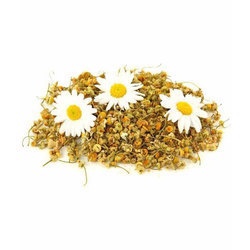
1. Chamomile – Chamomile is a flowering herb similar in appearance to a daisy. There are actually two types of Chamomile that people can use. Those are Roman Chamomile and German Chamomile. Different ways someone can use Chamomile to help relieve stress and anxiety include the following:
– Tea
– Extract
– Tablet
– Skin cream


It is possible to have an allergic reaction to Chamomile. Particularly so if someone has experienced reactions to these following plants:
– Ragweed
– Chrysanthemums
– Marigolds
– Daisies


It is possible that Chamomile may interact with certain medications. So, as I stated above it is always best to talk to your doctor before consumption of Chamomile teas or supplements.
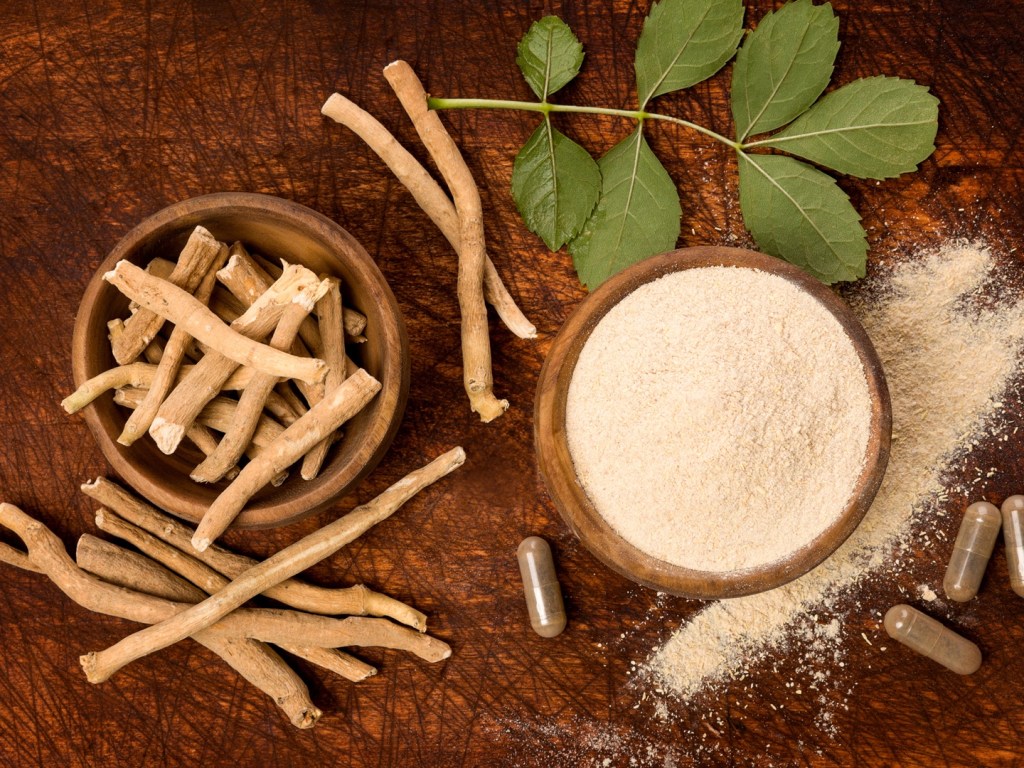
2. Ashwagandha – Ashwagandha or also known as, Withania Somnifera is among a group of herbs called “adaptogens”.
Adaptogens affect systems and hormones in the body that regulate a person’s stress response. People can take ashwagandha in the following ways:
– Tablet
– Liquid Tincture
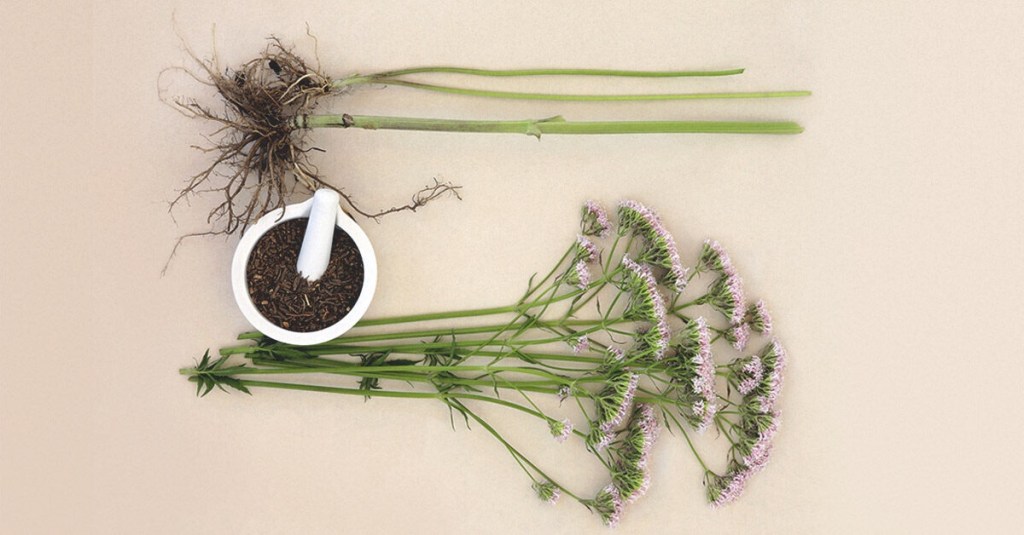
3. Valerian– Valerian also known as, Valeriana Officinalis, is a plant native to Europe and Asia. For many centuries, people have used the root to help treat sleep problems, anxiety, and depression.

Valerian root is available in the following forms:
– Tea
– Tablet
– Tincture


There is a study that suggest Valerian is generally safe. However, the NCCIH note that there is no information on the long-term use or safety of Valerian in the following groups:
– Pregnant women
– Nursing Mothers
– Children under 3 years of age


People should also be aware that Valerian may have a sleep inducing effect. Taking the herb with alcohol or sedatives will add to this effect and could be dangerous.
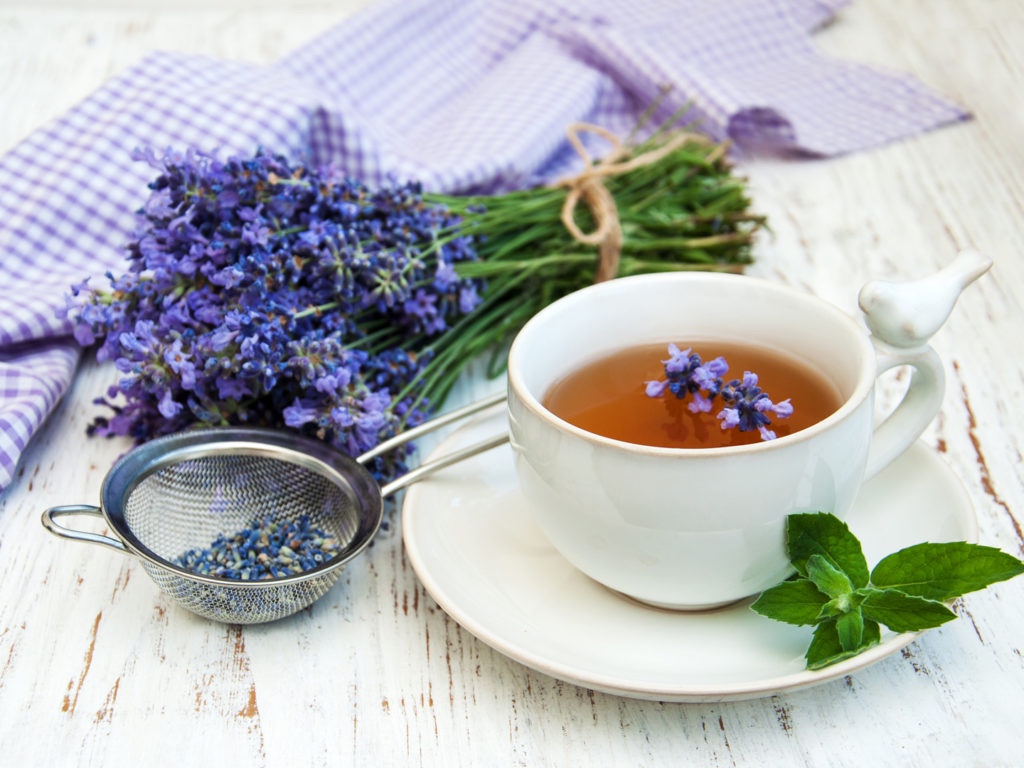
4. Lavender– Lavender is a flowering plant belonging to the mint family. Many people use lavender to help calm the nerves and alleviate anxiety.
People may use lavender in the following ways:
– Making tea from the leaves
– Using the oil in aromatherapy
– Mixing the essential oil into a base oil for massage
– Adding the oil or flowers to baths


Lavender essential oil (LEO) contains chemicals called terpenes. A study suggest that two of these terpenes called linalool and linalyl acetate may have a calming effect on chemical receptors in the brain.
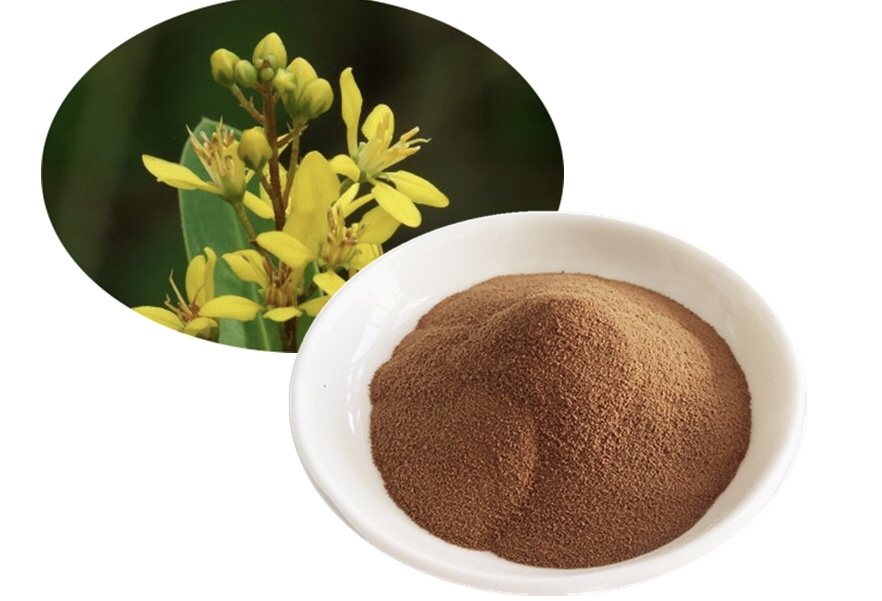
5. Galphimia Glauca – Galphimia glauca is a plant species native to Mexico. People traditionally used it as a tranquilizer to reduce anxiety. According to a review, the evidence for G. glauca as a treatment for anxiety is promising. However, medical companies have not exploited its potential due to a lack of available plant material.

There was a clinical trial study performed on participants. Half of the participants were given G. glauca while the other half were given the prescription anti-anxiety medication Lorazepem for 12 weeks.
Researchers continued to monitor the participants for a further 3 weeks to test for withdrawal symptoms. Results showed that participants who received a daily dose of 0.175 mg of G. glauca showed a greater reduction in anxiety symptoms compared with those who took Lorazepam. Both treatments were safe.
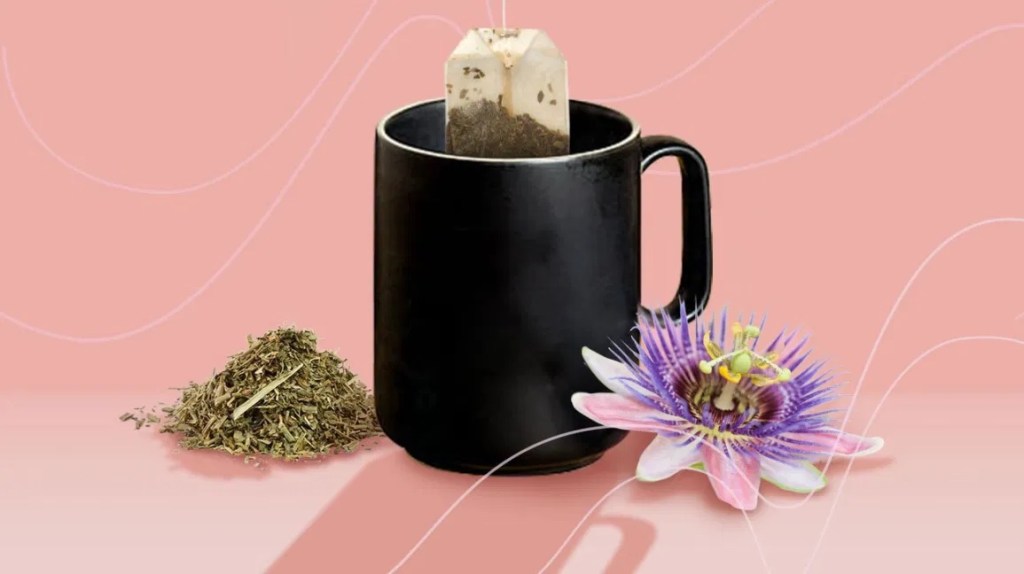
6. Passionflower – Passionflower or Passiflora is a family of plants with around 550 different species. Some studies show that a particular species, P. incarnata, may be effective in treating restlessness, nervousness, and anxiety.

According to a review of complementary treatments, some evidence suggests that the anti-anxiety effects of P. incarnata are comparable to those of benzodiazepines.
Benzodiazepines are a class of drug that doctors may prescribe to treat anxiety.
People can take P. incarnata in tablet form or as a liquid tincture.
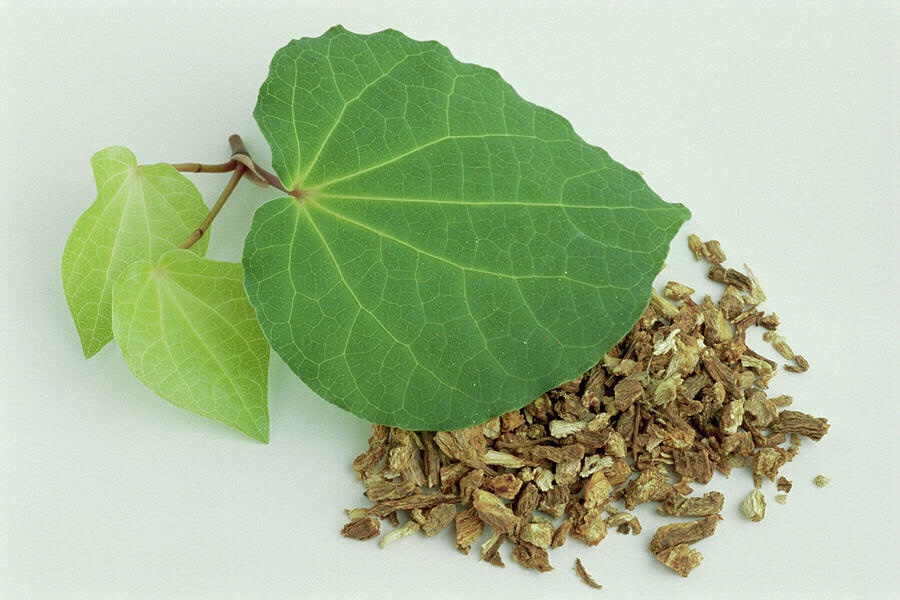
7. Kava Kava – Kava Kava or simply kava, is a shrub that is native to the islands of the Pacific Ocean. Its scientific name is Piper methysticum.
In the Pacific Islands, people use kava in a ceremonial beverage intended to relieve stress and alter mood.

Participants taking kava in a clinical trial showed a significant reduction in anxiety, suggesting kava may be a moderately effective short-term treatment for anxiety.
The study also found kava to be safe. People can buy Kava as a supplement online or in health food stores.
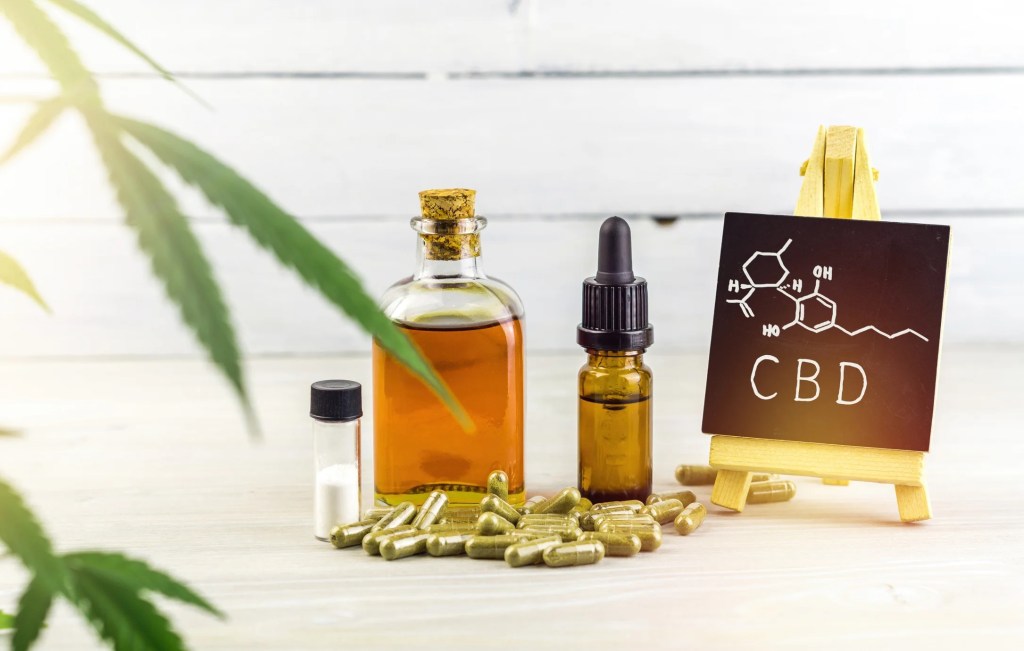
8. Cannabidiol (CBD) – It’s is one of the active ingredients of the cannabis plant.
Research suggest that CBD may have a calming effect on the central nervous system.
It can be found in the following forms:
– Tablet
– Liquid extract
– Vape liquid
– Topical cream


Researchers concluded that CBD may be beneficial for people with anxiety-related disorders.

Herbal Therapy/Herbal Remedies for depression:
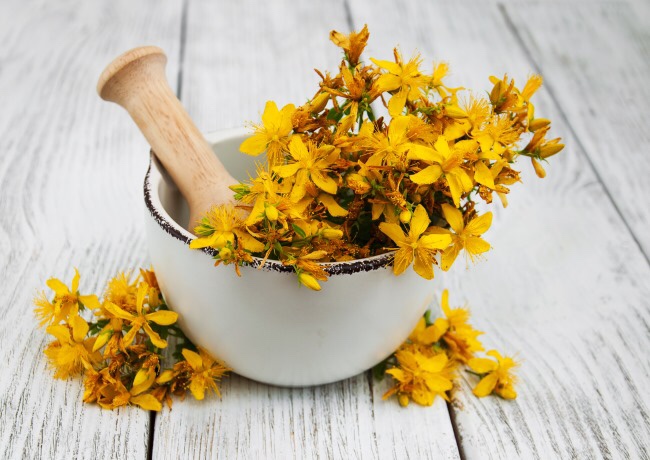
1. St. John’s Wort – Relatively well-known herb that has been used for centuries as a successful treatment for depression.

It is most often taken in a capsule/pill form or drank as a tea, although other methods such as essential oils or consumption of the fresh herb may also be used.

A study has shown that this herb is at least as effective as most regularly prescribed antidepressants in the United States if not more effective. The study was able to determine that St. John’s Wort can successfully treat mild and moderate depression symptoms with fewer side effects than those experienced when taking antidepressant medication.
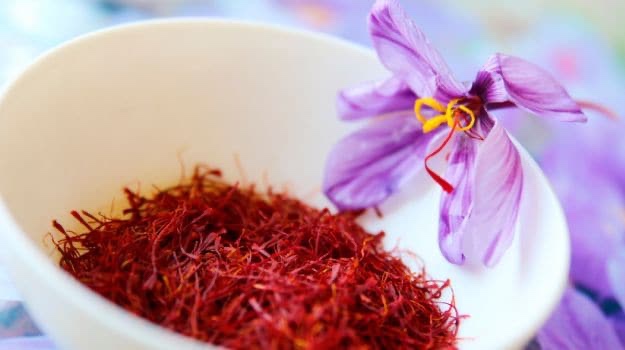
2. Saffron – Saffron is an exotic and luxurious spice of the Far East that sports a rich orange-red color and a distinctive flavor. But did you know it can also be used as an antidepressant?

While saffron can be more expensive to obtain than some of the other herbs on this list, it elicits a surprisingly effective response against depression without the other undesirable side effects of antidepressant medications.

There are three primary bioactive substances in saffron: picrocrocin, safranol, and crocin. These three substances work together to achieve the desired antidepressant effects in the body. Research also suggests that crocin and safranol’s inhabitation of dopamine, norepinephrine, and serotonin reuptake receptors in the brain is likely responsible for the antidepressant effects that saffron produces in people who are experiencing depression symptoms.
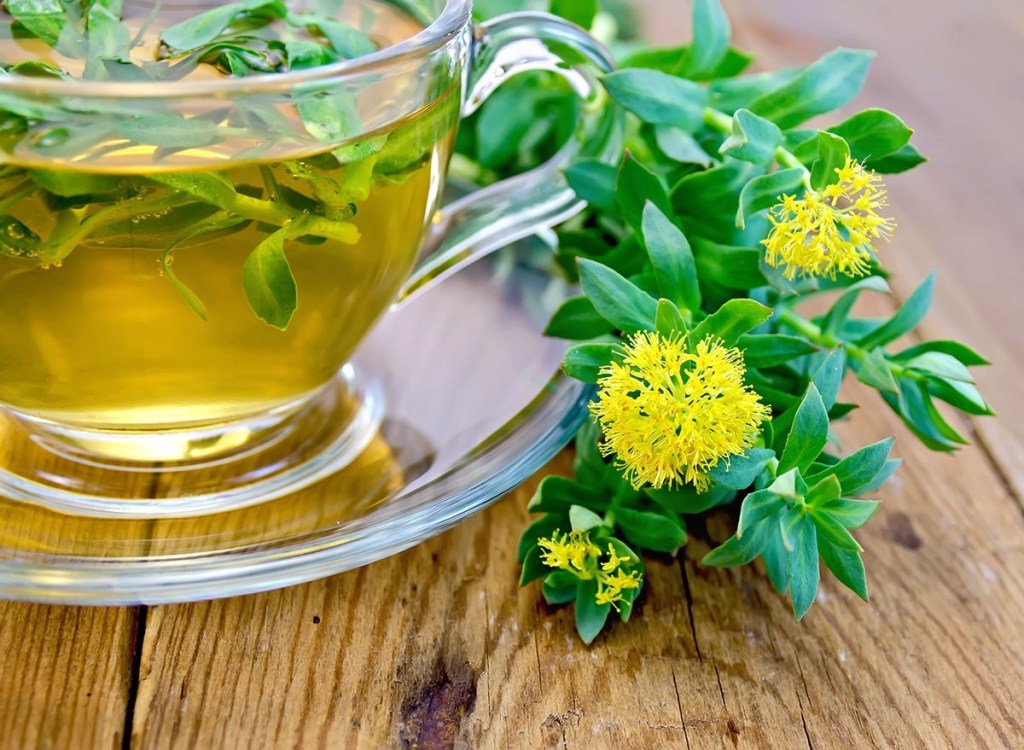
3. Rhodiola – Because Rhodiola is an adaptogenic herb, it’s a fantastic treatment for not only depression but also for other kinds of mood disorders! Rhodiola is particularly well suited to managing and treating depression caused by stress and stressful situations, or that caused by PTSD.

Rhodiola is also sometimes called Arctic Root or Golden Root and its main purpose is to help the body fight off stress reactions and to support healthy mood balancing.

It’s said that this herb is best taken as an extract.
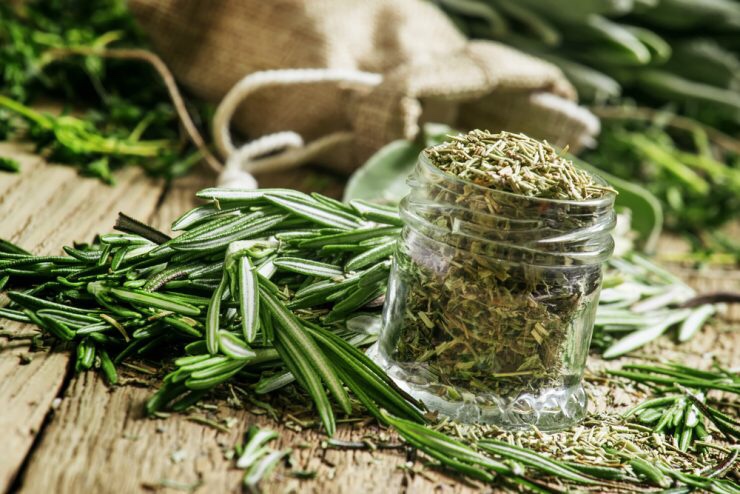
4. Rosemary – This might be a surprising remedy for depression, but rosemary is actually quite effective in treating nearly all forms of mild to moderate depression and the accompanying symptoms. The plant’s primary constituents, rosmanol, circimaritin, and salvigenin all work together to produce both depression-fighting and anxiety-reducing effects. These constituents are thought to work by working with the GABA receptors in the brain.

Rosemary is an important healing herb, but it’s also a great spice to keep in your kitchen. The plant can be used with most Italian dishes and also in some Middle Eastern foods to “supplement” an anti-depression herb or medication protocol. If you want a more concentrated form of the herb, consider buying rosemary in capsule form or as an essential oil (food grade).
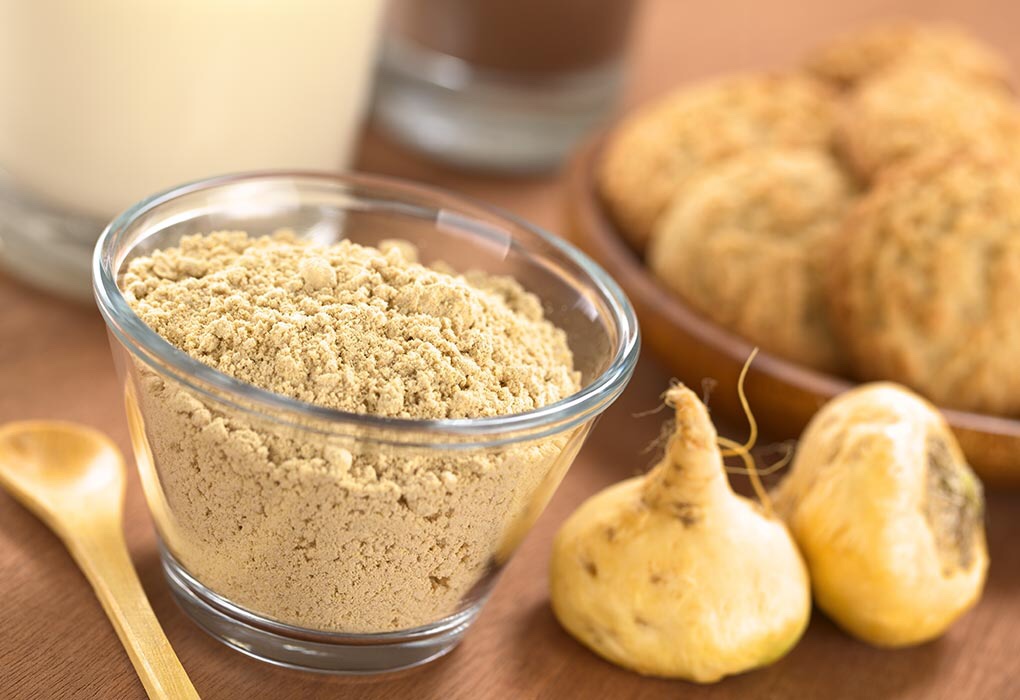
5. Maca Root – Maca is used to treat a variety of ailments, including (but not limited to) depression, decreased libido, pre-menopausal symptoms, and more. The root is generally consumed as a tea, in capsule form, or as a powder mixed with water or milk. While the plant can be used to treat depression in both men and women of any age, it’s most often used to treat anxiety and depression in women who have reached menopause because of its balancing effects on the hormonal systems in the body.

There was a study that analyzed the effects of maca root on depression and other pre- and post-menopausal symptoms in women. The study found that there were dramatic improvements in both mood, libido, and overall energy in all of the 14 women who participated in the study.

Is herbal medicine really effective?

Well, yes! Effectiveness of herbal preparations is directly linked to appropriate dosing, frequency and choice of herb. The main reason you hear of herbs not working is due to inappropriate dosing or using the incorrect herb for the illness.

Honestly, herbal remedies depend on your comfort. It’s important to learn about the herb(s) you may be interested in, and the best way to take them.

Happy herbing!😌🌱☕️🌿

Rise and SHINE!

Tips to starting your day off positive!

“What you do today can improve all your tomorrows”

Start your day off right with a positive morning routine! We all know that every good mood starts with starting your day off right. By adopting this into your daily routine, you can change the way you take on your whole day.

We all know that those recommended eight hours of sleep can do wonders to wake up feeling refreshed and ready to take on the day, but let’s be honest, not always possible, right!?

I mean sure, some do have that kind of luxury. I remember when I did, before my littles came along (lol) But still, for those who do get that awesome, well deserved recommend sleep, that isn’t always enough to maintain that emotional positivity throughout the day. So, not only are we talking about feeling well rested here, we are talking about how you truly feel mentally & emotionally. Because let’s face it, sleep doesn’t come with a magic wand.

But maybe these routine tips can be an alternative to a magical day!

Suns up☀️moods up

A study on the psychology of habits demonstrated that people may rely more heavily on habits when stressed, suggesting that forming healthy routines could help people maintain physical, emotional, and mental health during stressful times.

How much time do you have in the morning?

When building your morning routine, it’s important to consider how much time you have. Even if you only have 20 minutes to spare each morning, you can use that time to promote good mental health.

If you have a very limited amount of time in the morning, try identifying your biggest pain points or stressors as you move through your morning rather than seeking to cram a variety of activities and tasks into a small window of time. If you have more time in the morning than others may have, then that’s great! Get into that new routine, but that doesn’t mean that someone with limited time cannot also have a morning routine.

Meditation, planning the rest of the day, or preparing a healthful meal could be some simple, but positive changes to your morning routine.

Routine ideas:

Prepare – A positive morning routine is only as strong as the bedtime routine that came before it. Which aspects of your bedtime routine should you use to ensure the positivity of your morning routine? Try preparing what you’ll need, such as coffee, meals, or an outfit, the night before. Making sure your keys, bag, and other essentials are near the door, especially if you need to leave home first thing in the morning, can also help reduce stress and chaos.

A solid bedtime strategy often comes together with good sleep hygiene, and good sleep hygiene can help you get a more refreshing night of rest. Quality sleep, meanwhile, can help minimize symptoms of mental health issues like anxiety, and even psychosis (while lack of sleep may exacerbate these symptoms), so your morning routine may only support your mental health to the extent that you slept well that night.

So, of course this touches on both morning and night routines and how the two can make this a successful routine, together!

Let light in – Exposure to bright light first thing in the morning increases feelings of wakefulness. To clear away morning grogginess, try turning on a lamp or your bedroom lights, or take in some sunlight within the first 5 to 10 minutes of waking up in the morning.

A morning routine may help individuals who experience more hours of darkness continue to feel awake each morning, even if the sun has not yet risen. Those who live in higher latitudes (father away from the equator) will experience more seasonal darkness. Individuals who live farther away from the equator have been shown to experience higher rates of Seasonal Affective Disorder “SAD” and sleep issues have been identified as a key factor in SAD. A morning routine may help individuals who experience more hours of darkness continue to feel awake each morning, even if the sun has not yet risen.

For those who routinely wake up before the sun has risen, blue light has been proven to help people feel awake in the morning. Using the right kind of light first thing in the morning could help decrease morning drowsiness and increase alertness more quickly.

Make your bed – It takes minutes to make a bed, but bed making is still a task which many people neglect. If aren’t currently in the habit of tidying up your bed each morning, you might want to reconsider. Studies Sleepopolis have shown that the habit of making one’s bed are positively correlated with better sleep and an overall happier mood.

Wow! Looks like I need to start making my bed each morning, and enjoy it. Who knew?!

Now are people who are already happier and get better sleep also more likely to make their bed in the morning? Perhaps. But some experts argue that making one’s bed first thing in the morning is an effective way to boost your self-esteem. By completing a task first thing, you’ve boosted your own confidence in your ability to set things in order and may be more likely to continue that trend throughout the day.

Hydrate – According to a study, According to a study dehydration can negatively impact cognitive function. As most of us wake up a little dehydrated after a night’s sleep, rehydrating first thing in the morning can help improve cognition. Dehydration has also been linked to fatigue as well as symptoms of low mood, including irritability and confusion.

While adequate hydration alone probably won’t cure mental health issues such as depression or anxiety, chronic dehydration also isn’t likely to make those conditions any easier to handle. Drinking water is a good way to hand yourself the energy to deal with the symptoms that come with many mental health issues.

So you heard it, drink up! ..water that is!

Nourish – When asked what might be one of the best things someone could do for their mental health first thing in the morning, a licensed mental health counselor recommends getting something to eat. “Eating something within an hour or so of rising brings your blood sugar level up and prevents crankiness. You’ve been fasting all night. Eating something, especially something with complex carbs, fat and protein, will not only improve your mood, but will give you an energy boost to carry you through your morning activities,” she explains. “Never underestimate the power of a balanced blood sugar level throughout the day to help manage your mood.”

Many studies back this claim. Those who ate breakfast daily were less depressed than the control group who did not eat breakfast every day. Those who ate breakfast also reported lower levels of stress. Another study found a link between the regular consumption of breakfast cereal and lower cortisol, which are (stress hormone) levels.

Research also continues to tell us that while breakfast is an important meal, what’s more important may be what it’s made of. Boost the benefits of eating breakfast by incorporating some protein, healthy fats, and complex carbohydrates.

Hey, you won’t have to tell me twice! Eat for happiness, bring it on! and even more, healthy food. Just the thought of “healthy food” makes you feel good.

Write down what you’re grateful for – Research shows that gratitude can increase an individual’s happiness, improve relationships, and enhance one’s sense of well-being. Even dedicating a short amount of time to gratitude each day can help improve symptoms for those who experience mental health issues. To start your day off with a grateful mindset, try writing down three things you’re grateful for, and keep them present in your mind as you start your day. Even when you keep your list private, studies suggest you’re very likely to benefit from the practice of fostering gratitude!

Motivate – Motivation plays a science-backed role in reducing sleepiness and promoting wakefulness. When motivation is hard to come by, getting out of bed can be difficult. If you routinely struggle with the will to get out of bed first thing in the morning (and you’re already getting adequate sleep), consider adding something to your routine that adds a spark of joy and motivation—something that helps pull you out of bed and boost your mood. This could be anything from an activity you enjoy, such as walking a dog, to a new type of coffee you’re excited to try.

Some individuals with depression may experience something called “morning depression” which is another way of saying Diurnal Mood Variation. This depression symptom can, in many cases, make it incredibly difficult to get out of bed in the morning. If you think depression may be preventing you from summoning the motivation to get out of bed in the morning, it may be time to seek a mental health professional. It never hurts to understand why you are feeling any way that has you down, and what you can do to help those emotions.

Avoid Technology – Now this is a good one! I know, I know.. how do we avoid technology in this day and age. And why would we want to?!

Well, while technology can be used strategically to enhance a person’s mood and mental health, smartphone use in particular can easily become a compulsive behavior that erodes rather than fortifies mental well-being. Research has found that problematic smartphone use is linked to increased anxiety and depression.

Consider avoiding or cutting down on the time you spend looking at a smartphone screen first thing in the morning. Doing so may help increase your mental clarity and sense of purpose for the day while shielding you from information about news stories, politics, or social media drama, which can often contribute to a low mood.

You may think I’ve lost my mind…but I agree with this one. I have had social media and news effect my mood horribly, more times than one. A break from technology couldn’t hurt. I think most everyone has found themselves caught up in their phone a bit too much at some point.

Meditate – Morning meditation can help you center yourself for the rest of the day and has many proven mental health benefits. Even 15 minutes of daily meditation can produce the same stress-relieving effects in the body as taking a vacation. Meditation has also been shown to reduce stress, anxiety, depression, and even pain!

If you have time, try a 5 to 15-minute meditation as one of your first morning activities. Find a quiet, comfortable place to sit. Set a timer for the time you have to meditate that day. Then meditate. One popular way to meditate is to close your eyes and focus on the present and on your breaths. Many people also use guided meditations to get started.

Speaking of putting down the phone in the previous tip, there are guided meditation apps! But hey I didn’t say to lose your phone completely! Especially when it’s used for a positive purpose. Or maybe you can even get a nice DVD.. Do those still exist?

Make a list – Writing a to-do list at the beginning of your day can help you plan what you need to get done and more effectively organize and execute the tasks on your list. Often, we have so much to do that we can’t hold it in our minds all at once, and the idea of forgetting an obligation can be anxiety-inducing. Take a couple minutes to jot down your goals for the day, and you won’t need to worry about forgetting to do anything on the list!

List-writing works by reducing chaos and lending structure to your day, as well as support for your memory. To write an effective list, start with your top objectives for the day. Keep it small, realistic, and focused–monitor negative self-talk and watch out for tasks that aren’t necessary or contribute to distraction. Organize yourself around your values and goals and seek to channel your best “you.”

I actually second this! I am a list writer, personally. And it helps, a lot! Because sometimes it truly is hard to remember things with a busy schedule. And hey! It helps your memory, while having that list of things to remember! Say what??

Physical Activity – For those with busy schedules, getting moving first thing in the morning is one good way to make sure they get exercise that day. As exercise is proven to have a positive effect on mood and can help reduce symptoms of depression and anxiety, it’s something to consider prioritizing. While your physical activity can include a morning run, it doesn’t have to. If you’re short on time, even stretching and some jumping-jacks can give you a chance to get your blood flowing.

Exercise releases endorphins, which can help reduce stress and anxiety; in the morning, this can contribute to a sense of calm that helps guide the first part of your day.

Whether you have 5 spare minutes or multiple hours each morning, a routine can help individuals set themselves up for better mental health throughout the day. Choose morning activities that allow you to work with rather than against yourself. And if you find you’re struggling with mental health symptoms that interfere with your well-being and daily activities, reach out to a licensed and compassionate mental health professional.

Nothing like a good morning run to get those endorphins flowing, as I would say. I was a runner for about 5 years. But any exercise of your liking will do!

How do you feel about these suggested morning routines to add that positivity into your day?

Personally, I love to start my day with a warm cup of coffee and end the day with a nice cup of tea! I literally have a collection of different types of teas. From sleepy time tea, to detox tea! The list goes on. Meditation is also an important part of my day. But I’m now thinking it would be a good idea to adopt that bed making tip! I usually crawl out of bed and the rest is history in my room until night time. lol.

I would like to end this post with a motivational quote of the day:

“Very little is needed to make a happy life; it is all within yourself, in your way of thinking.” – Marcus Aurelius