

Tips to starting your day off positive!

Start your day off right with a positive morning routine! We all know that every good mood starts with starting your day off right. By adopting this into your daily routine, you can change the way you take on your whole day.
We all know that those recommended eight hours of sleep can do wonders to wake up feeling refreshed and ready to take on the day, but let’s be honest, not always possible, right!?
I mean sure, some do have that kind of luxury. I remember when I did, before my littles came along (lol) But still, for those who do get that awesome, well deserved recommend sleep, that isn’t always enough to maintain that emotional positivity throughout the day. So, not only are we talking about feeling well rested here, we are talking about how you truly feel mentally & emotionally. Because let’s face it, sleep doesn’t come with a magic wand.
But maybe these routine tips can be an alternative to a magical day!

A study on the psychology of habits demonstrated that people may rely more heavily on habits when stressed, suggesting that forming healthy routines could help people maintain physical, emotional, and mental health during stressful times.
How much time do you have in the morning?
When building your morning routine, it’s important to consider how much time you have. Even if you only have 20 minutes to spare each morning, you can use that time to promote good mental health.
If you have a very limited amount of time in the morning, try identifying your biggest pain points or stressors as you move through your morning rather than seeking to cram a variety of activities and tasks into a small window of time. If you have more time in the morning than others may have, then that’s great! Get into that new routine, but that doesn’t mean that someone with limited time cannot also have a morning routine.
Meditation, planning the rest of the day, or preparing a healthful meal could be some simple, but positive changes to your morning routine.
Routine ideas:
• Prepare – A positive morning routine is only as strong as the bedtime routine that came before it. Which aspects of your bedtime routine should you use to ensure the positivity of your morning routine? Try preparing what you’ll need, such as coffee, meals, or an outfit, the night before. Making sure your keys, bag, and other essentials are near the door, especially if you need to leave home first thing in the morning, can also help reduce stress and chaos.
A solid bedtime strategy often comes together with good sleep hygiene, and good sleep hygiene can help you get a more refreshing night of rest. Quality sleep, meanwhile, can help minimize symptoms of mental health issues like anxiety, and even psychosis (while lack of sleep may exacerbate these symptoms), so your morning routine may only support your mental health to the extent that you slept well that night.
So, of course this touches on both morning and night routines and how the two can make this a successful routine, together!
• Let light in – Exposure to bright light first thing in the morning increases feelings of wakefulness. To clear away morning grogginess, try turning on a lamp or your bedroom lights, or take in some sunlight within the first 5 to 10 minutes of waking up in the morning.
A morning routine may help individuals who experience more hours of darkness continue to feel awake each morning, even if the sun has not yet risen. Those who live in higher latitudes (father away from the equator) will experience more seasonal darkness. Individuals who live farther away from the equator have been shown to experience higher rates of Seasonal Affective Disorder “SAD” and sleep issues have been identified as a key factor in SAD. A morning routine may help individuals who experience more hours of darkness continue to feel awake each morning, even if the sun has not yet risen.
For those who routinely wake up before the sun has risen, blue light has been proven to help people feel awake in the morning. Using the right kind of light first thing in the morning could help decrease morning drowsiness and increase alertness more quickly.
• Make your bed – It takes minutes to make a bed, but bed making is still a task which many people neglect. If aren’t currently in the habit of tidying up your bed each morning, you might want to reconsider. Studies Sleepopolis have shown that the habit of making one’s bed are positively correlated with better sleep and an overall happier mood.
Wow! Looks like I need to start making my bed each morning, and enjoy it. Who knew?!
Now are people who are already happier and get better sleep also more likely to make their bed in the morning? Perhaps. But some experts argue that making one’s bed first thing in the morning is an effective way to boost your self-esteem. By completing a task first thing, you’ve boosted your own confidence in your ability to set things in order and may be more likely to continue that trend throughout the day.
• Hydrate – According to a study, According to a study dehydration can negatively impact cognitive function. As most of us wake up a little dehydrated after a night’s sleep, rehydrating first thing in the morning can help improve cognition. Dehydration has also been linked to fatigue as well as symptoms of low mood, including irritability and confusion.
While adequate hydration alone probably won’t cure mental health issues such as depression or anxiety, chronic dehydration also isn’t likely to make those conditions any easier to handle. Drinking water is a good way to hand yourself the energy to deal with the symptoms that come with many mental health issues.
So you heard it, drink up! ..water that is!
• Nourish – When asked what might be one of the best things someone could do for their mental health first thing in the morning, a licensed mental health counselor recommends getting something to eat. “Eating something within an hour or so of rising brings your blood sugar level up and prevents crankiness. You’ve been fasting all night. Eating something, especially something with complex carbs, fat and protein, will not only improve your mood, but will give you an energy boost to carry you through your morning activities,” she explains. “Never underestimate the power of a balanced blood sugar level throughout the day to help manage your mood.”
Many studies back this claim. Those who ate breakfast daily were less depressed than the control group who did not eat breakfast every day. Those who ate breakfast also reported lower levels of stress. Another study found a link between the regular consumption of breakfast cereal and lower cortisol, which are (stress hormone) levels.
Research also continues to tell us that while breakfast is an important meal, what’s more important may be what it’s made of. Boost the benefits of eating breakfast by incorporating some protein, healthy fats, and complex carbohydrates.
Hey, you won’t have to tell me twice! Eat for happiness, bring it on! and even more, healthy food. Just the thought of “healthy food” makes you feel good.
• Write down what you’re grateful for – Research shows that gratitude can increase an individual’s happiness, improve relationships, and enhance one’s sense of well-being. Even dedicating a short amount of time to gratitude each day can help improve symptoms for those who experience mental health issues. To start your day off with a grateful mindset, try writing down three things you’re grateful for, and keep them present in your mind as you start your day. Even when you keep your list private, studies suggest you’re very likely to benefit from the practice of fostering gratitude!
• Motivate – Motivation plays a science-backed role in reducing sleepiness and promoting wakefulness. When motivation is hard to come by, getting out of bed can be difficult. If you routinely struggle with the will to get out of bed first thing in the morning (and you’re already getting adequate sleep), consider adding something to your routine that adds a spark of joy and motivation—something that helps pull you out of bed and boost your mood. This could be anything from an activity you enjoy, such as walking a dog, to a new type of coffee you’re excited to try.
Some individuals with depression may experience something called “morning depression” which is another way of saying Diurnal Mood Variation. This depression symptom can, in many cases, make it incredibly difficult to get out of bed in the morning. If you think depression may be preventing you from summoning the motivation to get out of bed in the morning, it may be time to seek a mental health professional. It never hurts to understand why you are feeling any way that has you down, and what you can do to help those emotions.
• Avoid Technology – Now this is a good one! I know, I know.. how do we avoid technology in this day and age. And why would we want to?!
Well, while technology can be used strategically to enhance a person’s mood and mental health, smartphone use in particular can easily become a compulsive behavior that erodes rather than fortifies mental well-being. Research has found that problematic smartphone use is linked to increased anxiety and depression.
Consider avoiding or cutting down on the time you spend looking at a smartphone screen first thing in the morning. Doing so may help increase your mental clarity and sense of purpose for the day while shielding you from information about news stories, politics, or social media drama, which can often contribute to a low mood.
You may think I’ve lost my mind…but I agree with this one. I have had social media and news effect my mood horribly, more times than one. A break from technology couldn’t hurt. I think most everyone has found themselves caught up in their phone a bit too much at some point.
• Meditate – Morning meditation can help you center yourself for the rest of the day and has many proven mental health benefits. Even 15 minutes of daily meditation can produce the same stress-relieving effects in the body as taking a vacation. Meditation has also been shown to reduce stress, anxiety, depression, and even pain!
If you have time, try a 5 to 15-minute meditation as one of your first morning activities. Find a quiet, comfortable place to sit. Set a timer for the time you have to meditate that day. Then meditate. One popular way to meditate is to close your eyes and focus on the present and on your breaths. Many people also use guided meditations to get started.
Speaking of putting down the phone in the previous tip, there are guided meditation apps! But hey I didn’t say to lose your phone completely! Especially when it’s used for a positive purpose. Or maybe you can even get a nice DVD.. Do those still exist?
• Make a list – Writing a to-do list at the beginning of your day can help you plan what you need to get done and more effectively organize and execute the tasks on your list. Often, we have so much to do that we can’t hold it in our minds all at once, and the idea of forgetting an obligation can be anxiety-inducing. Take a couple minutes to jot down your goals for the day, and you won’t need to worry about forgetting to do anything on the list!
List-writing works by reducing chaos and lending structure to your day, as well as support for your memory. To write an effective list, start with your top objectives for the day. Keep it small, realistic, and focused–monitor negative self-talk and watch out for tasks that aren’t necessary or contribute to distraction. Organize yourself around your values and goals and seek to channel your best “you.”
I actually second this! I am a list writer, personally. And it helps, a lot! Because sometimes it truly is hard to remember things with a busy schedule. And hey! It helps your memory, while having that list of things to remember! Say what??
• Physical Activity – For those with busy schedules, getting moving first thing in the morning is one good way to make sure they get exercise that day. As exercise is proven to have a positive effect on mood and can help reduce symptoms of depression and anxiety, it’s something to consider prioritizing. While your physical activity can include a morning run, it doesn’t have to. If you’re short on time, even stretching and some jumping-jacks can give you a chance to get your blood flowing.
Exercise releases endorphins, which can help reduce stress and anxiety; in the morning, this can contribute to a sense of calm that helps guide the first part of your day.
Whether you have 5 spare minutes or multiple hours each morning, a routine can help individuals set themselves up for better mental health throughout the day. Choose morning activities that allow you to work with rather than against yourself. And if you find you’re struggling with mental health symptoms that interfere with your well-being and daily activities, reach out to a licensed and compassionate mental health professional.
Nothing like a good morning run to get those endorphins flowing, as I would say. I was a runner for about 5 years. But any exercise of your liking will do!
How do you feel about these suggested morning routines to add that positivity into your day?
Personally, I love to start my day with a warm cup of coffee and end the day with a nice cup of tea! I literally have a collection of different types of teas. From sleepy time tea, to detox tea! The list goes on. Meditation is also an important part of my day. But I’m now thinking it would be a good idea to adopt that bed making tip! I usually crawl out of bed and the rest is history in my room until night time. lol.
I would like to end this post with a motivational quote of the day:
“Very little is needed to make a happy life; it is all within yourself, in your way of thinking.” – Marcus Aurelius



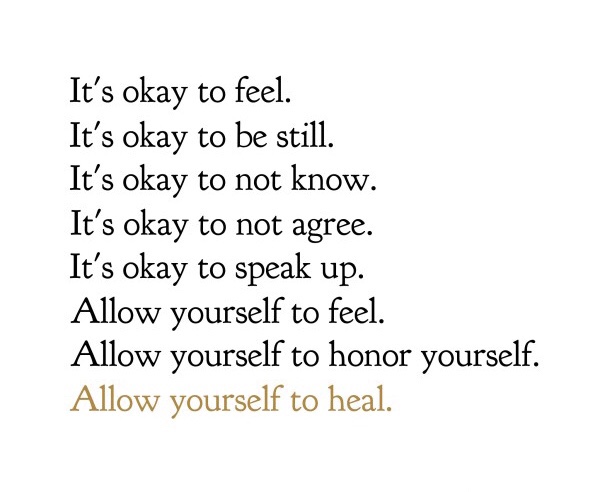
 Live to Inspire - Mental Health Awareness