Herbal Therapy for Mental Health benefits

How do you feel about all natural herbal therapy?
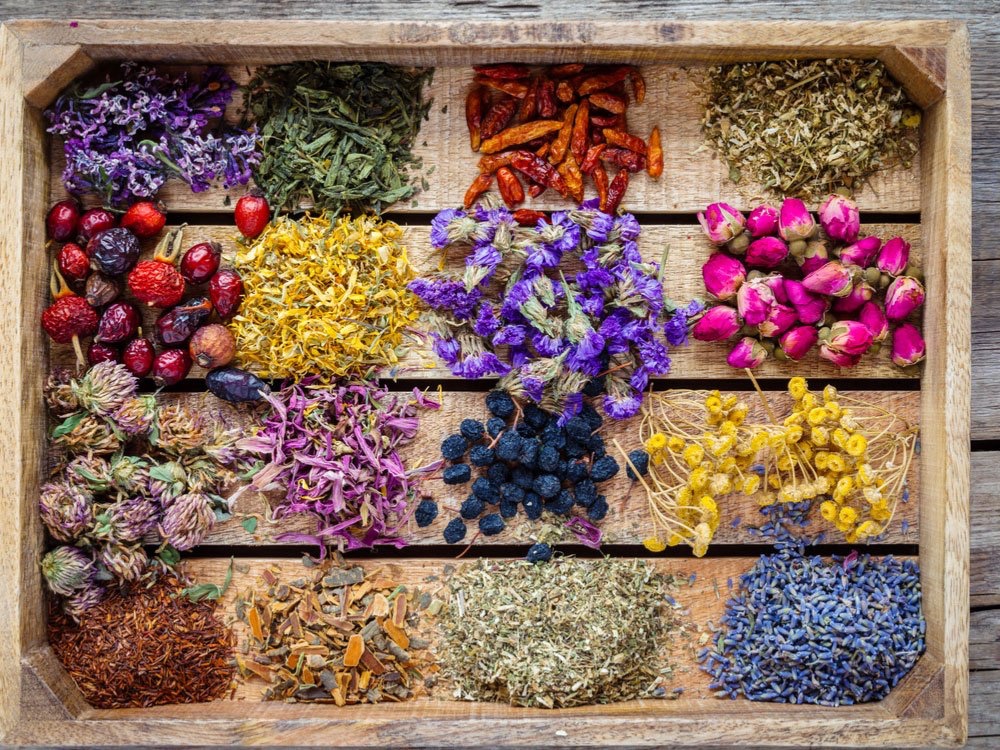

It’s quite the interesting topic. I personally love herbal teas! I have mentioned in my Q&A blog how I literally have a collection. I use it to wind down for the night and even when I may need to calm stress throughout the day or an energy boost. Different types of herbs give different benefits.
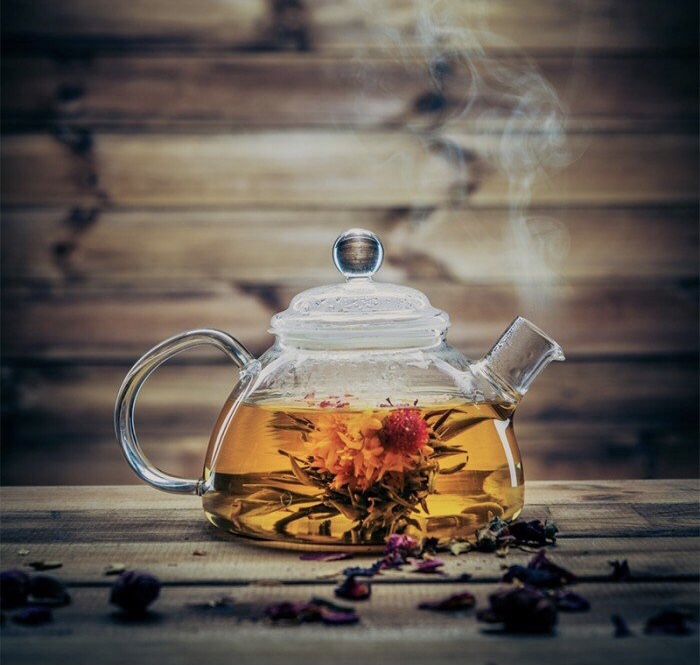
How can something look so beautiful and appetizing at the same time!?
☕️🌱

Let’s take a look at some information on different herbs and their benefits.

Herbal therapies, or also called herbal remedies:
They are plants used as a medicine. They can be used to get relief from symptoms, relax (reduce stress), boost energy, and even to lose weight! Though, herbs are not regulated or tested as medicine’s are, they are an all natural plant remedy. They can also be used to cure or prevent a disease. Herbs can come in many forms for therapeutic uses.

As we can see, not only are they good for mental health symptoms, they can be used for your overall health. The goal for this blog is to help with information on which herbal therapies are good for different types of mental health symptoms, but of course it never hurts to inform of other benefits can come from them.

Not everyone will agree with herbal remedies, and that is perfectly okay! Just remember, if you ever do give it a try, it’s natural. That always gives me comfort knowing when using them. It is helping my body with no bad side effect. But with that said, please keep in mind that it is always a good idea to talk to your doctor before trying anything new. Especially if you are on any type of medication, or have any known or unknown allergies. You wouldn’t want to risk any side effect that may be possible when mixing with any type of medication. I am not a doctor so I cannot say if that is possible or not, but a health care professional can help with any questions you may have and go over your medical history, as well as advise to watch for any allergies or side effects. It’s important to keep that in mind, for your personal safety even if you are interested in an all natural plant based remedy.

Take a look at this herb combo with vitamin C. This is one that I’ve tried before, in capsule form.
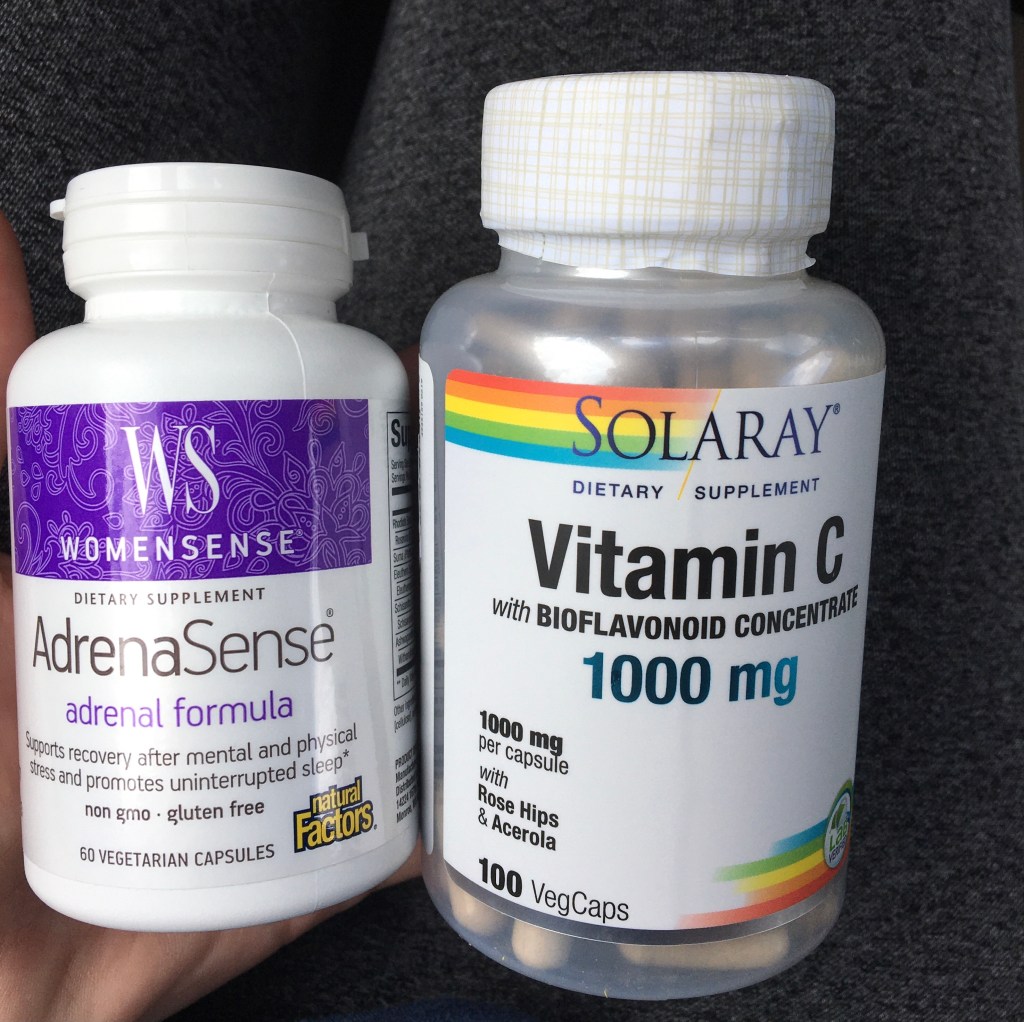
The benefits of the AdrenaSense works together with the Vitamin C capsules. To help give the overall best effect the AdrenaSense is used for.

AdrenaSense is a natural formula containing rhodiola, suma, Siberian ginseng, schisandra, and ashwagandha. It provides herbal support for healthy adrenal gland function and promotes uninterrupted sleep during occasional sleeplessness, as well as, to help improve mental and physical performance after periods of exhaustion and to temporarily promote relaxation. It works with the adrenals, supporting healthy cortisol levels. So, you are pretty much healing your adrenal glands to promote the repair of its normal function. AdrenaSense is a product of the WomenSense line dedicated to helping women reach their full health potential.

AdrenaSense Suggested Use:
2 capsules mid-day with food or as directed by a health professional. Up to 4 capsules can be taken daily. (Take 1 vitamin C capsule with each AdreaSense dose)

The reason for using vitamin C with AdrenaSense is because vitamin C is directly involved in the production of cortisol and other adrenal hormones. The highest levels of vitamin C are found in your adrenal glands. Vitamin C is also a building block for recovery from fatigued adrenals.

Other Vitamin C benefits:

Vitamin C it’s self can enhance an overall better mood. Interesting fact, vitamin C is also known as, ascorbic acid. And it’s essential to a number of key processes in the body. Without vitamin C, your body cannot produce the protein needed for healthy blood vessels, skin, tendons and ligaments. Vitamin C is also necessary for wound healing and for maintaining the bones, cartilage and teeth. In addition, vitamin C is required by the immune system and necessary for absorbing the mineral iron from the foods that you eat.
Okay! So, enough of the adrenal health. I want to get to the other herbs! (Yay!)🌿🌱😁


Let’s go over types of herbs and the benefits they produce.

Herbal Therapies for Anxiety:
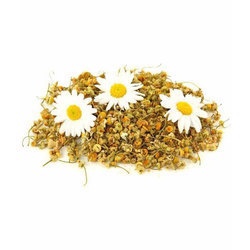
1. Chamomile – Chamomile is a flowering herb similar in appearance to a daisy. There are actually two types of Chamomile that people can use. Those are Roman Chamomile and German Chamomile. Different ways someone can use Chamomile to help relieve stress and anxiety include the following:
– Tea
– Extract
– Tablet
– Skin cream


It is possible to have an allergic reaction to Chamomile. Particularly so if someone has experienced reactions to these following plants:
– Ragweed
– Chrysanthemums
– Marigolds
– Daisies


It is possible that Chamomile may interact with certain medications. So, as I stated above it is always best to talk to your doctor before consumption of Chamomile teas or supplements.
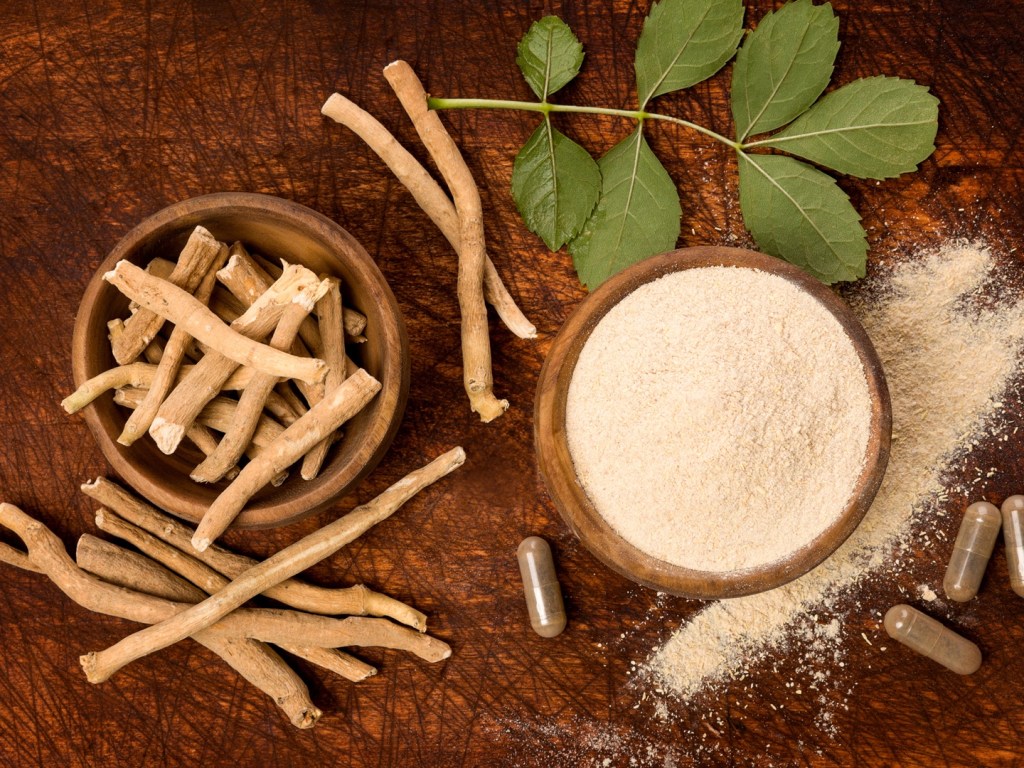
2. Ashwagandha – Ashwagandha or also known as, Withania Somnifera is among a group of herbs called “adaptogens”.
Adaptogens affect systems and hormones in the body that regulate a person’s stress response. People can take ashwagandha in the following ways:
– Tablet
– Liquid Tincture
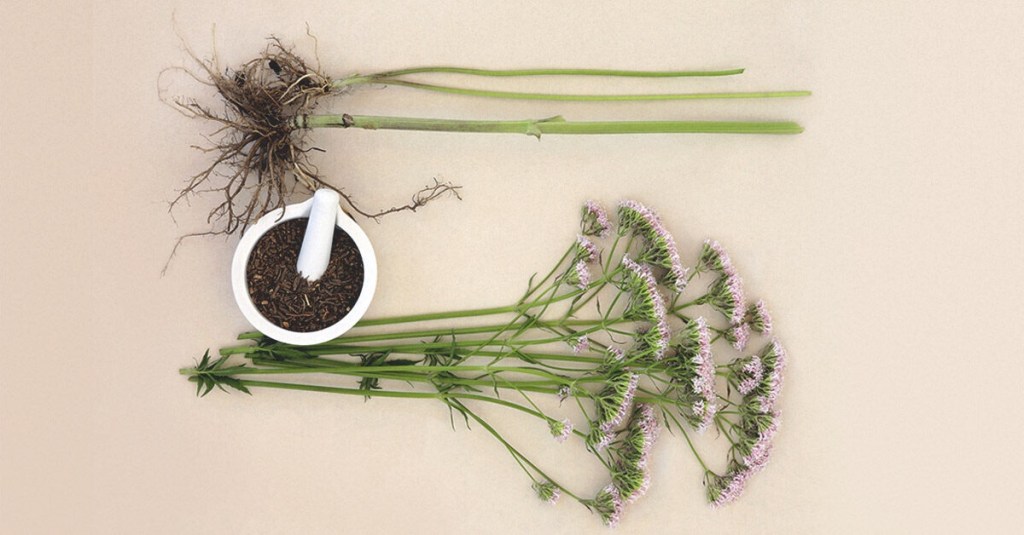
3. Valerian– Valerian also known as, Valeriana Officinalis, is a plant native to Europe and Asia. For many centuries, people have used the root to help treat sleep problems, anxiety, and depression.

Valerian root is available in the following forms:
– Tea
– Tablet
– Tincture


There is a study that suggest Valerian is generally safe. However, the NCCIH note that there is no information on the long-term use or safety of Valerian in the following groups:
– Pregnant women
– Nursing Mothers
– Children under 3 years of age


People should also be aware that Valerian may have a sleep inducing effect. Taking the herb with alcohol or sedatives will add to this effect and could be dangerous.
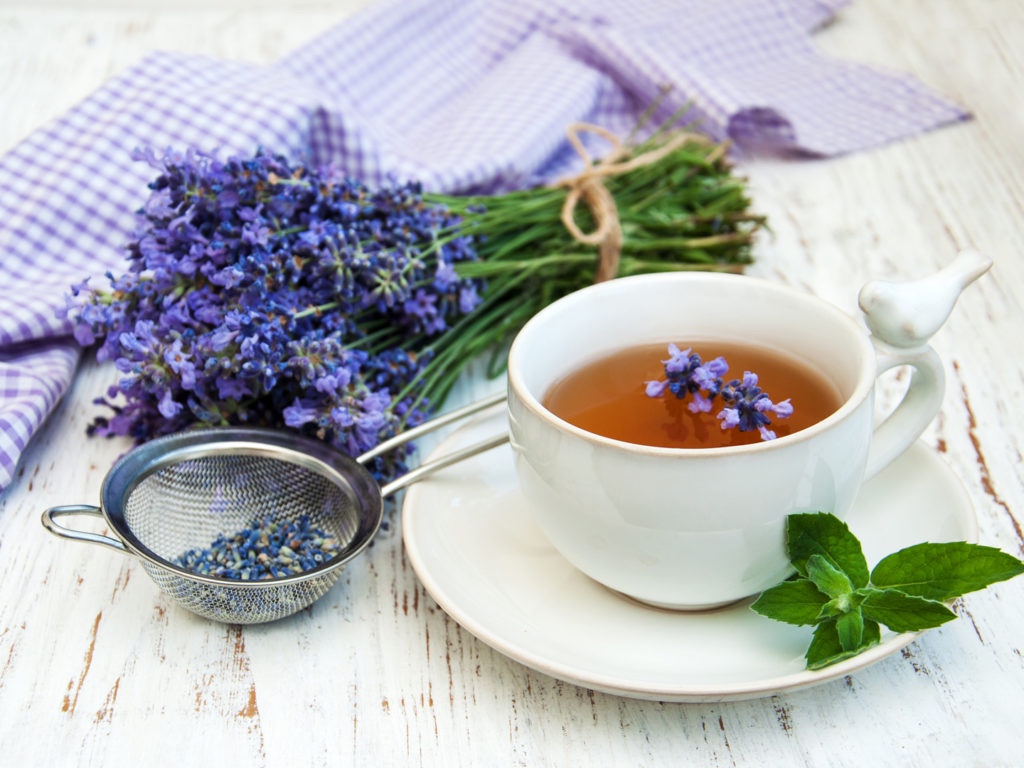
4. Lavender– Lavender is a flowering plant belonging to the mint family. Many people use lavender to help calm the nerves and alleviate anxiety.
People may use lavender in the following ways:
– Making tea from the leaves
– Using the oil in aromatherapy
– Mixing the essential oil into a base oil for massage
– Adding the oil or flowers to baths


Lavender essential oil (LEO) contains chemicals called terpenes. A study suggest that two of these terpenes called linalool and linalyl acetate may have a calming effect on chemical receptors in the brain.
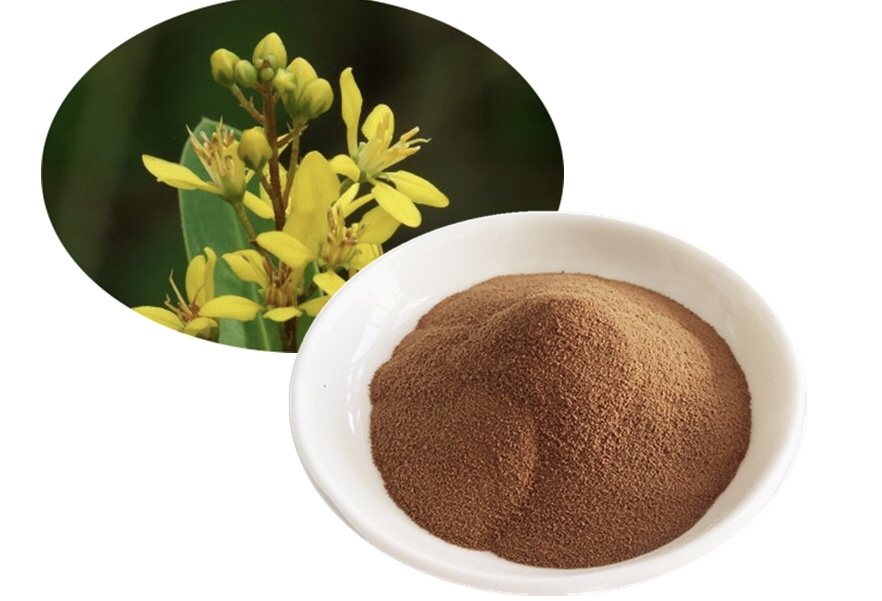
5. Galphimia Glauca – Galphimia glauca is a plant species native to Mexico. People traditionally used it as a tranquilizer to reduce anxiety. According to a review, the evidence for G. glauca as a treatment for anxiety is promising. However, medical companies have not exploited its potential due to a lack of available plant material.

There was a clinical trial study performed on participants. Half of the participants were given G. glauca while the other half were given the prescription anti-anxiety medication Lorazepem for 12 weeks.
Researchers continued to monitor the participants for a further 3 weeks to test for withdrawal symptoms. Results showed that participants who received a daily dose of 0.175 mg of G. glauca showed a greater reduction in anxiety symptoms compared with those who took Lorazepam. Both treatments were safe.
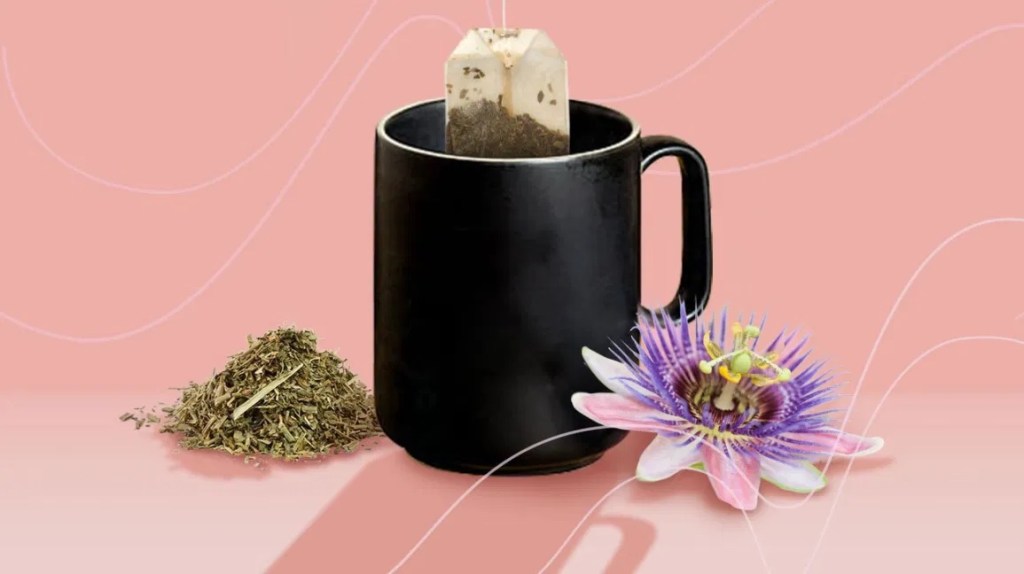
6. Passionflower – Passionflower or Passiflora is a family of plants with around 550 different species. Some studies show that a particular species, P. incarnata, may be effective in treating restlessness, nervousness, and anxiety.

According to a review of complementary treatments, some evidence suggests that the anti-anxiety effects of P. incarnata are comparable to those of benzodiazepines.
Benzodiazepines are a class of drug that doctors may prescribe to treat anxiety.
People can take P. incarnata in tablet form or as a liquid tincture.
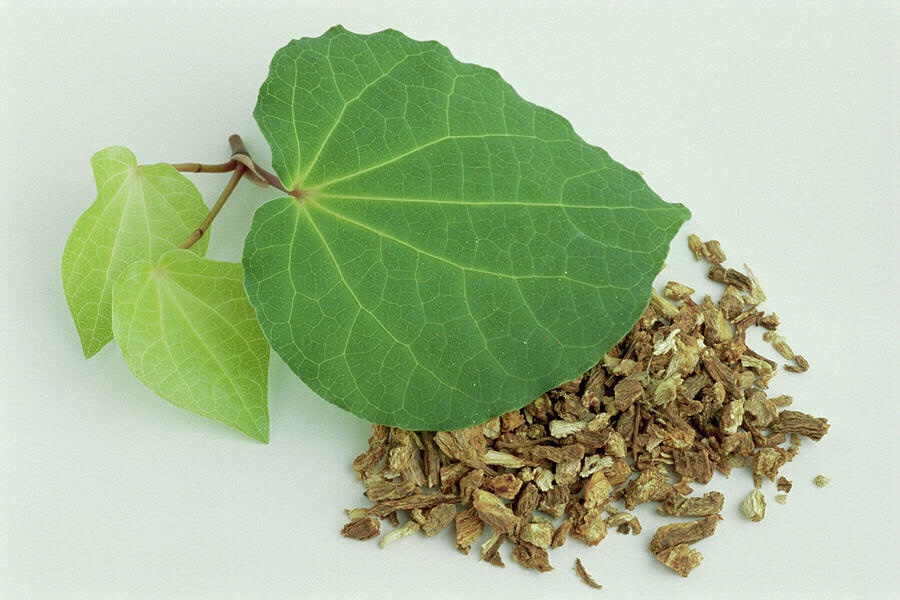
7. Kava Kava – Kava Kava or simply kava, is a shrub that is native to the islands of the Pacific Ocean. Its scientific name is Piper methysticum.
In the Pacific Islands, people use kava in a ceremonial beverage intended to relieve stress and alter mood.

Participants taking kava in a clinical trial showed a significant reduction in anxiety, suggesting kava may be a moderately effective short-term treatment for anxiety.
The study also found kava to be safe. People can buy Kava as a supplement online or in health food stores.
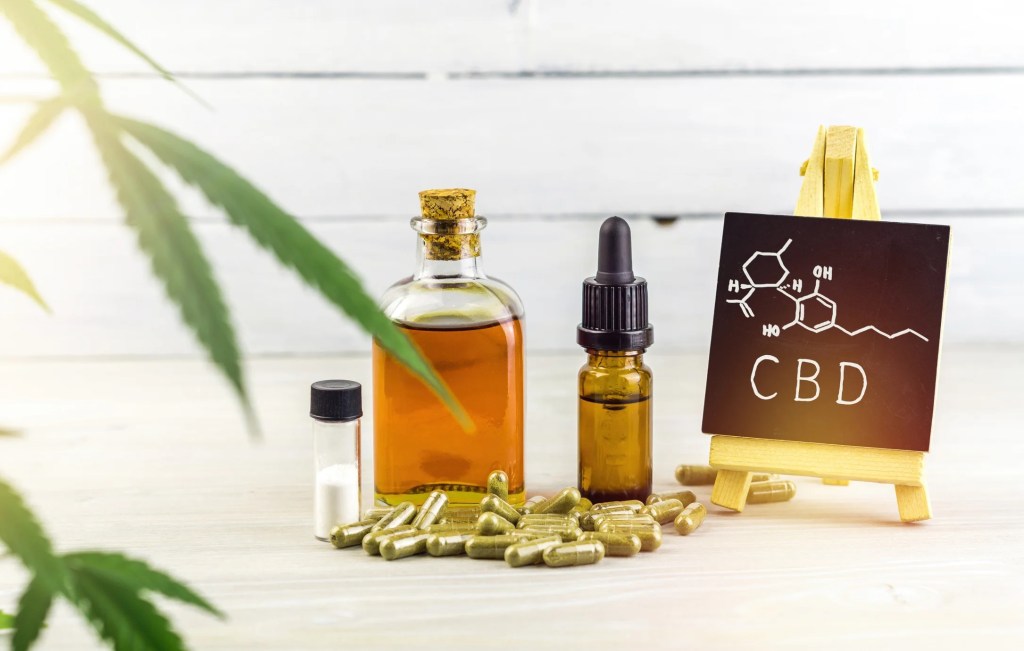
8. Cannabidiol (CBD) – It’s is one of the active ingredients of the cannabis plant.
Research suggest that CBD may have a calming effect on the central nervous system.
It can be found in the following forms:
– Tablet
– Liquid extract
– Vape liquid
– Topical cream


Researchers concluded that CBD may be beneficial for people with anxiety-related disorders.

Herbal Therapy/Herbal Remedies for depression:
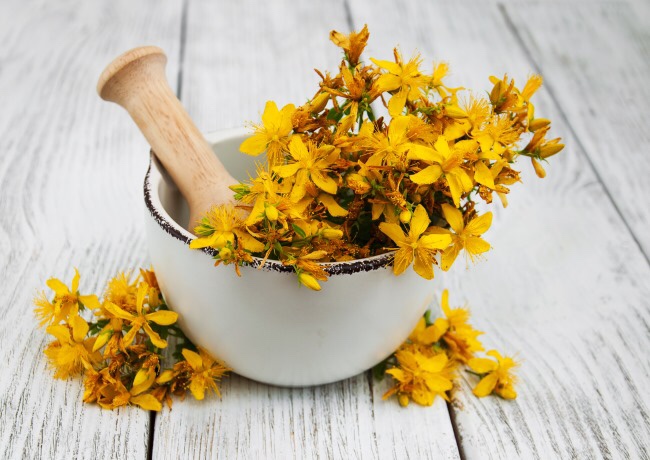
1. St. John’s Wort – Relatively well-known herb that has been used for centuries as a successful treatment for depression.

It is most often taken in a capsule/pill form or drank as a tea, although other methods such as essential oils or consumption of the fresh herb may also be used.

A study has shown that this herb is at least as effective as most regularly prescribed antidepressants in the United States if not more effective. The study was able to determine that St. John’s Wort can successfully treat mild and moderate depression symptoms with fewer side effects than those experienced when taking antidepressant medication.
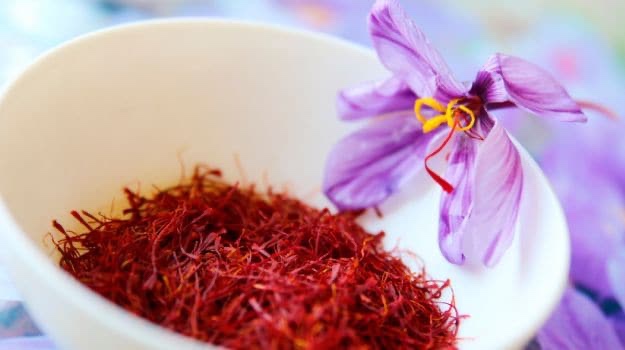
2. Saffron – Saffron is an exotic and luxurious spice of the Far East that sports a rich orange-red color and a distinctive flavor. But did you know it can also be used as an antidepressant?

While saffron can be more expensive to obtain than some of the other herbs on this list, it elicits a surprisingly effective response against depression without the other undesirable side effects of antidepressant medications.

There are three primary bioactive substances in saffron: picrocrocin, safranol, and crocin. These three substances work together to achieve the desired antidepressant effects in the body. Research also suggests that crocin and safranol’s inhabitation of dopamine, norepinephrine, and serotonin reuptake receptors in the brain is likely responsible for the antidepressant effects that saffron produces in people who are experiencing depression symptoms.
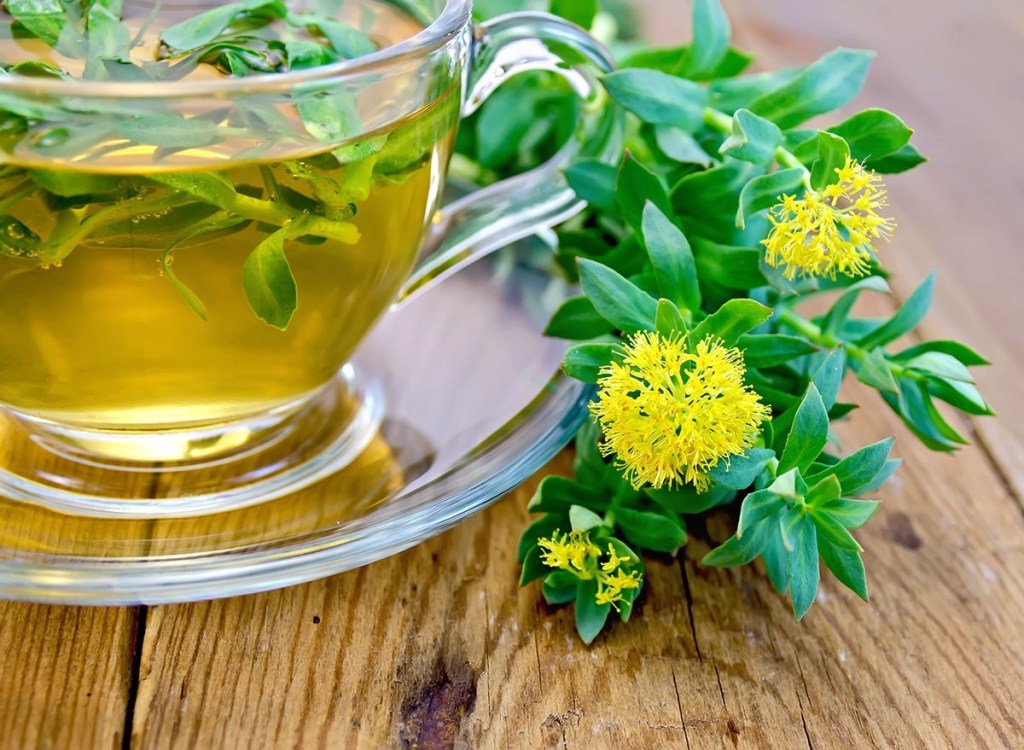
3. Rhodiola – Because Rhodiola is an adaptogenic herb, it’s a fantastic treatment for not only depression but also for other kinds of mood disorders! Rhodiola is particularly well suited to managing and treating depression caused by stress and stressful situations, or that caused by PTSD.

Rhodiola is also sometimes called Arctic Root or Golden Root and its main purpose is to help the body fight off stress reactions and to support healthy mood balancing.

It’s said that this herb is best taken as an extract.

4. Rosemary – This might be a surprising remedy for depression, but rosemary is actually quite effective in treating nearly all forms of mild to moderate depression and the accompanying symptoms. The plant’s primary constituents, rosmanol, circimaritin, and salvigenin all work together to produce both depression-fighting and anxiety-reducing effects. These constituents are thought to work by working with the GABA receptors in the brain.

Rosemary is an important healing herb, but it’s also a great spice to keep in your kitchen. The plant can be used with most Italian dishes and also in some Middle Eastern foods to “supplement” an anti-depression herb or medication protocol. If you want a more concentrated form of the herb, consider buying rosemary in capsule form or as an essential oil (food grade).
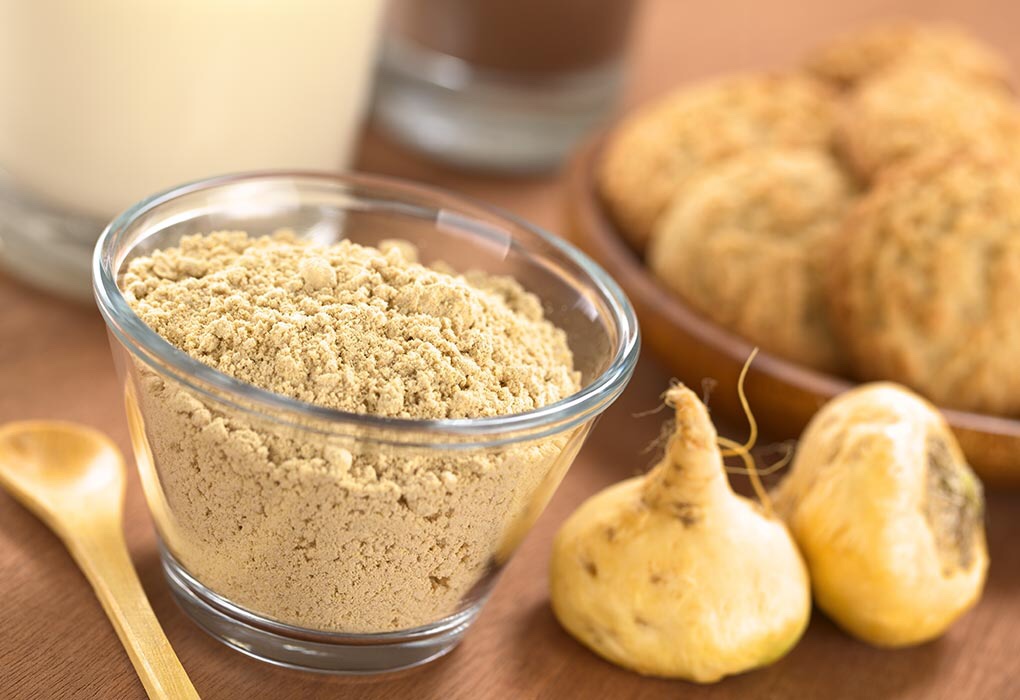
5. Maca Root – Maca is used to treat a variety of ailments, including (but not limited to) depression, decreased libido, pre-menopausal symptoms, and more. The root is generally consumed as a tea, in capsule form, or as a powder mixed with water or milk. While the plant can be used to treat depression in both men and women of any age, it’s most often used to treat anxiety and depression in women who have reached menopause because of its balancing effects on the hormonal systems in the body.

There was a study that analyzed the effects of maca root on depression and other pre- and post-menopausal symptoms in women. The study found that there were dramatic improvements in both mood, libido, and overall energy in all of the 14 women who participated in the study.

Is herbal medicine really effective?

Well, yes! Effectiveness of herbal preparations is directly linked to appropriate dosing, frequency and choice of herb. The main reason you hear of herbs not working is due to inappropriate dosing or using the incorrect herb for the illness.

Honestly, herbal remedies depend on your comfort. It’s important to learn about the herb(s) you may be interested in, and the best way to take them.

Happy herbing!😌🌱☕️🌿

It’s time to have “The Talk”..

It’s time to talk about suicide prevention, warning signs,
and how to get help, or help someone else in need. It’s
important to understand suicide and what leads people to
such a vulnerable place. Let’s talk, let’s save lives!


Let’s start by understanding that suicide does not discriminate. No matter your age, gender, or ethnicities, you can be at risk. There is no single cause, as suicidal behavior is complex.
Many different factors can play a role in someone making a suicide attempt. But those most at risk do tend to share specific characteristics.

Here’s a list of the main risk factors for suicide:

– Depression, anxiety, substance abuse disorder, PTSD, or other mental disorders.
– Chronic pain.
– A prior suicide attempt.
– Certain medical conditions.
– Family history of a mental disorder or substance abuse.
– Family history of suicide.
– Family violence, including physical or sexual abuse.
– Having recently been released from prison, or jail.
– Having guns or other firearms in the home.
– Being exposed to others suicidal behavior, such as that of family members, peers, or celebrities.

Additionally, many people have some of these risk factors but do not attempt suicide. Keep in mind that it is important to understand that suicide is not a normal response to stress.

In fact, suicidal thoughts or actions are a sign of extreme distress, not a harmless bid for attention, and should never be ignored.
PLEASE, please, never think someone is only trying to get attention while displaying suicidal thoughts, actions, or even talking directly about attempting it. NEVER tell someone that they are just seeking attention. This could cost someone their life.

Additionally, a lot of the time someone with suicidal thoughts will not disclose that information to anyone. That is another reason why it is important to know the warning signs. Everyone reacts to this emotional state differently. It never means that one situation is more important than the other. Someone in crisis is exactly that, a crisis situation. They need help to overcome these emotions, rightfully so.

If you may be one who’s having warning signs or thoughts of suicide. Please seek help. You can overcome this. I have been there myself. I was at my end. I will admit. But looking back I can not imagine if I would have chose suicide instead of the help that I deep down knew that I needed. I am living proof that it is possible to seek help and recover. My story is far from easy, far from nice. It’s actually quite dark…

If anyone ever needs to talk, you can email me, directly! I would love to hear from you.
E-mail: selflove1013@yahoo.com
My name is, Jamie. And I do care about you!
That is my direct email specially made for chatting. And we can go from there.
Below I will also list the Lifeline National crisis hotline, which is totally confidential and free. I post a similar hotline on all of my blogs, which is also confidential and free.


I truly have honest passion for this and for all people. I want us all to beat this together and live the life we know that we are able to live. We are WORTH IT. We all have a beautiful journey of life awaiting us.

Often, family and friends are the first to recognize the warning signs of suicide. Whichs can be the first step toward helping an at-risk person find treatment with a specialist.

National Suicide Prevention Lifeline:
Call: 1-800-273- TALK (8255)
En Espanol 1-888-628-9454
The lifeline is a free, confidential crisis hotline that is available to everyone 24 hours a day, seven days a week. The Lifeline connects the caller to the nearest crisis center in the Lifeline National network. These centers provide crises counseling and mental health referrals.
People who are deaf, or hard of hearing: Contact the Lifeline via TTY at:
1-800-799-4889.

Crisis Text Line: (Available to everyone)
Text “HELLO” to 741741
This text hotline is also available 24 hours a day, seven days a week throughout the US.
The Crisis Text Line serves anyone, in any type of crisis, connecting them with a crisis counselor who can provide support and information.

Please, never be afraid to use these hotlines. I personally feel like it’s a comfortable approach over the phone or via text, if one may be nervous about an in person contact during a time so vulnerable.

Lets jump back in and talk about the Signs and Symptoms.
The behaviors below may be signs that someone is thinking about suicide.

– Talking about feeling empty, hopeless, or having no reason to live.
– Talking about wanting to die or wanting to kill themselves.
– Talking about great guilt or shame.
-Making plans or even looking for ways to kill themselves, such as searching for methods online, maybe even lethal methods. (pills, guns.)ect.
– Talking about feeling rapped or feeling that their is no solution to their situation.
– Feeling of unbearable pain. (emotional and/or physical)
– Using drugs or alcohol (even more often)
– Talking about feeling like being a burden to others.
– Acting anxious or agitated. (even irritable)
-Withdrawn from family and friends. (Anti-social)
-A change in sleeping and/or eating habits.
-Showing rage or maybe even talking about seeking revenge.
– Talking and/or thinking about death often.
-Taking great risks that could lead to death (such as driving excessively fast)
– Extreme mood swings, sudden changing from very sad to very calm or happy.
– Saying goodbye to friends and family.
– Giving away valuable, important, personal possessions.
-Putting affairs in order (making of a will)

If any of these warning signs apply, seek help. for either yourself, or others. Particularly if the behavior is new or increased lately.

Also, remember to pay attention to social media post. Sadly, I have seen it too many times lately. It’s almost like the new way to write a suicide note. Social media has turned into such a huge use to this generation.

I want to share a method with you that could be very helpful...

The 5 action steps for Helping Someone in Emotional Pain:

1. ASK – “Are you thinking about killing yourself?” It’s not an easy question, but studies show that asking at-risk individuals if they are suicidal does not increase suicides or suicidal thoughts.

2. KEEP THEM SAFE
Reducing a suicidal person’s access to highly lethal items or places is an important part of suicide prevention. While this is not always easy, asking if the at-risk person has a plan and removing or disabling the lethal means can make a difference.

3. BE THERE
Listen carefully and learn what the individual is thinking and feeling. Research suggests acknowledging and talking about suicide may reduce rather than increase suicidal thoughts.

4. HELP THEM CONNECT
Save the National Suicide Prevention Lifeline’s (1-800-273-TALK (8255) and the Crisis Text Line’s number (741741) in your phone, so it’s there when you need it. You can also help make a connection with a trusted individual like a family member, friend, spiritual advisor, or mental health professional.

5. STAY CONNECTED
– Staying in touch after a crisis or after being discharged from care can make a difference. Studies have shown the number of suicide deaths goes down when someone follows up with the at-risk person.

Treatment options!
There are many great options out there for quality treatment.
Interventions: Safety Planning and Follow up phone calls.
Safety planning has been shown to help reduce suicidal thoughts and actions, as well as develop a plan that describes ways to limit access to lethal means such as firearms, pills, or poisons. The plan also lists coping strategies and people and resources that can help in a crisis.
Follow-up phone calls. Research has shown that when at-risk patients receive further screening, a safety plan intervention, and a series of supportive phone calls, their risk of suicide goes down.

Psychotherapies:
Multiple types of psycho-social interventions have found to help people who have attempted suicide. These types of interventions may prevent someone from making another attempt.
– Cognitive Behavioral Therapy (CBT) can help people learn new ways of dealing with stressful experiences through training. CBT helps people recognize their thought patterns and consider alternative actions when thoughts of suicide arise.
Dialectical Behavior Therapy (DBT) has been shown to reduce suicidal behavior in adolescence. DBT has also been shown to reduce the rate of suicide in adults with borderline personality disorder, a mental illness characterized by an ongoing pattern of varying moods, self-image, and behavior that often results in impulsive actions and problems in relationships. A therapist trained in DBT helps a person recognize when his or her feelings or actions are disruptive or unhealthy, and teaches the skills needed to deal better with upsetting situations.

Medication:
Some people at risk for suicide might benefit from medication. Doctors and patients can work together to find the best medication, as well as the right dose. For people at risk for suicide that have both a mental illness and substance use problems, these people might benefit from medication along with psycho-social intervention.

I would never push medication on someone nor would I tell someone that it isn’t a good option when looking for treatment. The fact is, it will be different for everyone.

I remember trying a few different medications before I got the right one that worked with me. Before finding what was right for me, the medication actually made me feel worse. But any good doctor and therapist will work with you to make sure you find the quality care, the right options and medication for you. I mean at one point, early in my treatment I was misdiagnosed with bipolar disorder. When in fact I was suffering from PTSD. Which I do see how the two can be confused..they both are causes of terrible mood swings and aggressive behavior. But I finally found a medication recently that works amazing. It not only helps my PTSD, but it also works as one with my anxiety and depressive episodes. I have been on this medication for almost a year and though it took a few dosing adjustments, I haven’t have an aggressive episode or an anxiety attack in almost a year! It feels absolutely amazing, and to be honest, it feels like freedom!

I want to end this blog by saying that I am so happy that I got to get this one out for you all and I wish everyone the most positive vibes! I truly mean every word I say. And I truly care about each and everyone of you. Break the silence, break the stigma. Push forward, and NEVER give up on you!
Remember, In case of a crisis, use the Lifeline that I posted above in the blog. Save it to your phone for someone in need, or if you may ever need it. And PLEASE if you ever need to chat, you can email me at the email that I listed above, also.

“A YEAR FROM NOW YOU’LL BE GLAD YOU STARTED TODAY”

Heal with Art!

Have you heard of Art Therapy?

Art therapy is a technique created around the idea that creative expression can promote healing and mental well-being. By either creating it or viewing others art, it is used to help people explore emotions, develop self-awareness, cope with stress, boost self-esteem, and work on social skills.

Art therapy can help children, adolescents, and adults! Also, great for managing addictions, anxiety, depression, and coping with a physical illness or disability.

Art therapy can include a wide range of art materials and processes. Your sessions could potentially include activities such as working with clay, painting, making a mask, creating a visual journal, and assembling a collage. Most often, the focus will be on the process rather than creating a finished art product.

How is art healing?

Art is healing because it forces you to forge a connection between your mind and your body. Unlike exercise, which works your body, or meditation, which clears your mind, art-making accesses both mind and body to promote healing.

Art Brings More Creativity, Satisfaction, and Happiness into our Lives. Scientific studies have proven that art appreciation improves our quality of life and makes us feel good. When we create art, we elevate our mood, we improve our ability to problem solve, and open our minds to new ideas.

How is art related to life?

Art surrounds life, all people in every location, without us being aware of it. Since time immemorial, art has existed as long as man has. It is a huge part of our culture, which shapes our ideas, and vice versa, and provides us with a deeper understanding of emotions, self-awareness, and more.

Here’s where things start to get a little deeper..

Who created art therapy?

The British artist Adrian Hill coined the term art therapy in 1942. Hill, recovering from tuberculosis in a sanatorium, discovered the therapeutic benefits of drawing and painting while convalescing.

Okay, but are you ready to get into something a little more dark? Regarding the topic, of course..

How about, Famous Artists Who Struggled with Mental Illness? After all, even those who we may look up to have their own struggles. How is that for not feeling alone? Let’s take a look!

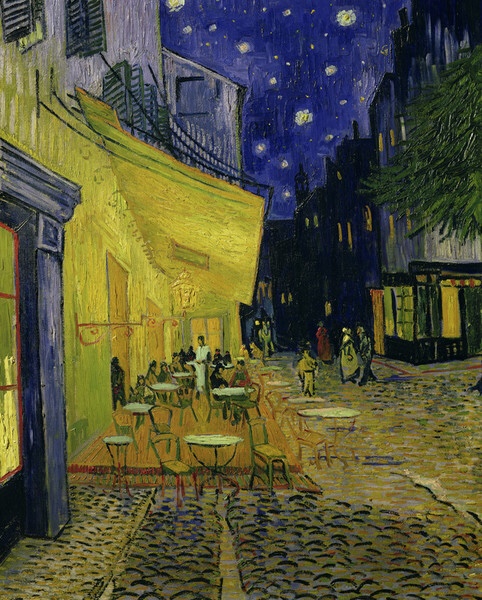
Vincent Van Gogh. – By far the most famous example of an artist with mental illness. Van Gogh suffered from anxiety and depression throughout his short life, and he once wrote, “I put my heart and my soul into my work, and lost my mind in the process.”

Painting by: Vincent van Gogh

Vincent van Gogh was a Dutch post-Impressionist painter of landscapes, still life works, and self-portraits. He was not commercially successful during his lifetime, and his death at 37 from a self-inflicted gunshot came after years of mental illness, depression, and poverty. After his death, he became better known and he is now considered one of the most influential artists in the history of Western art. His work, with its bold brush strokes and colors, shows not only a tortured mind but also an immense talent.

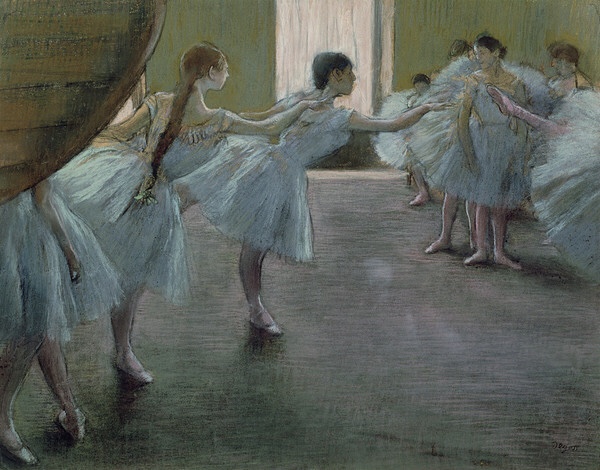
Edgar Degas – was known to be an old curmudgeon who hid away in his studio only to emerge at night to walk the streets of Paris. He visited salons with a small circle of fellow artists and patrons and bristled at any intrusions from art critics. In a grouchy tone, he once wrote to critics, “Is painting done to be looked at? Do you understand me? One works for two or three friends who are alive and for others who are dead or unknown.”

Painting by: Edgar Degas

Degas was friends with American Impressionist painter Mary Cassatt, who also lived in Paris. Degas, Cassatt, and Cassatt’s sister, Lydia, were often seen at the Louvre studying artworks together. Cassatt and Degas weren’t romantically involved, and in fact, neither ever married. Degas lived alone his entire adult life.

In the 1880s, Degas suffered from bouts of depression and aimlessness. “I’m blocked, impotent. I’ve lost the thread,” he wrote in a letter in 1884. Degas spent the last years of his life nearly blind, restlessly wandering the streets of Paris. Although he had friends and family, his irritability and cruel sense of humor tended to chase people away. He died in 1917. Isn’t it amazing that such a grouchy man could have made such beautiful and light-hearted paintings of dancers, singers, and people enjoying themselves at the races?

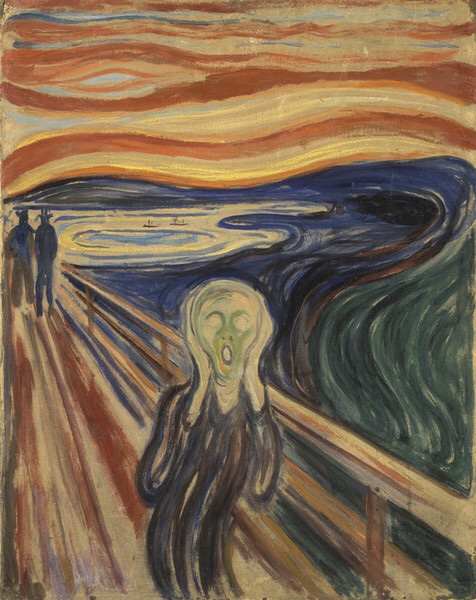
Edvard Munch – suffered from anxiety and hallucinations. The painter created his most famous image, The Scream, after it came to him when he was out for a walk at sunset on a fjord overlooking Oslo. He wrote that as the sun began to set, it suddenly turned the sky a blood red. “I stood there trembling with anxiety and I sensed an endless scream passing through nature.” The painting is thought to represent human anxiety in the modern world,which Munch experienced throughout his life.

Painting by: Edvard Munch

Mental illness ran in Munch’s family. His grandfather suffered from depression and his aunt was diagnosed with schizophrenia. Munch’s childhood was marked by loss, as his mother and one of his sisters died of tuberculosis, and one of his sisters was diagnosed with mental illness. In December 1889, after Munch’s father died, leaving the family destitute, Munch assumed financial responsibility for his family, though he was deeply saddened by the loss of his father.

In the autumn of 1908 his anxiety, compounded by heavy drinking, became acute, and he experienced hallucinations and feelings of persecution. He entered a clinic for treatment and after eight months emerged in better health. He saw his mental illness as an important motivation for his art. He wrote in his diary: “My fear of life is necessary to me, as is my illness. They are indistinguishable from me, and their destruction would destroy my art.” Munch died of natural causes in his house near Oslo on 23 January 1944, about a month after his 80th birthday. His artistic temperament and talent brought him success and eventually peace, and greatly benefitted the world of art.

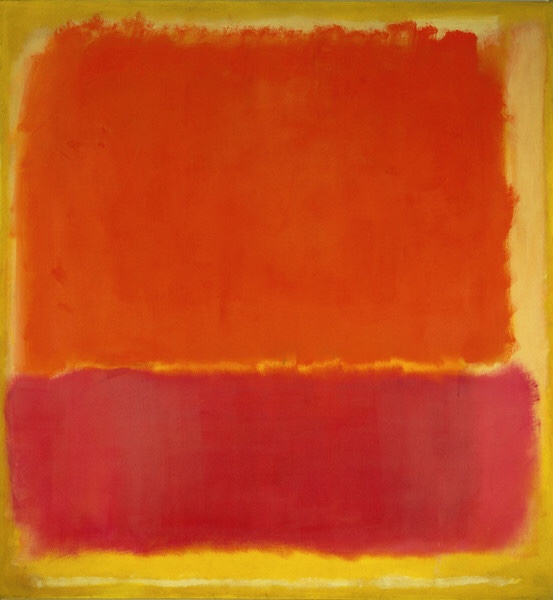
Mark Rothko – was an American abstract expressionist painter. Rothko was born in Latvia but grew up in Portland, Oregon and spent most of his adult life in New York City. He suffered from bouts of depression and was a heavy drinker. Viewing the vibrating colors in a large-scale Rothko painting in person at a museum is almost a mystical, meditative experience that should not be missed. Let’s hope that painting these works of art also brought the artist some peace and art therapy.

Painting by: Mark Rothko

In early 1968, Rothko was diagnosed with a mild aortic aneurysm. He ignored his doctor’s orders and continued to drink and smoke, avoided exercise, and ate an unhealthy diet. His friend and art critic Dore Ashton said of him at the time that he was “highly nervous, thin, restless.”

On February 25, 1970, Rothko’s assistant found the artist in his kitchen, lying dead on the floor in front of the sink, covered in blood. He had overdosed on barbiturates, and cut an artery in his right arm with a razor blade. There was no suicide note. He was only 66. The tragedy of his suicide belies the joy that his colorful paintings elicit. He is considered one of the most influential modern abstract expressionists.

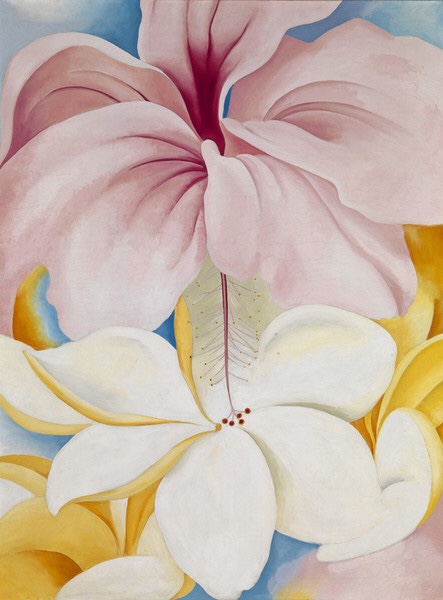
Georgia O’Keeffe – suffered from depression, although it’s possible her depression was situational. She was admitted to Doctors Hospital in New York City for treatment after a nervous breakdown in 1933. Her two month hospitalization followed a difficult time in her life. She had just abandoned a project to complete a Radio City Music Hall mural, and her renowned photographer husband Alfred Stieglitz was having an affair with a woman almost two decades younger than O’Keeffe and more than four decades younger than himself.

Painting by: Georgia O’Keeffe

O’Keeffe had been invited to paint a mural in the women’s powder room at the new Radio City Music Hall. She agreed to the project despite minimal payment because she had long been intrigued by the challenge of painting a large work of art. Unfortunately, O’Keeffe discovered that the plaster of the new building wasn’t going to be dry in time, and she was unable to apply paint. She abandoned the project and became depressed. She became agoraphobic, stopped eating, and wept for days, according to one of her biographers.

O’Keeffe had visited New Mexico earlier and loved it. She returned in mid-1934 and recuperated from her hospital stay. In August she visited Ghost Ranch, north of Abiquiú, for the first time, and decided immediately to live there. She moved into a house on the ranch property in 1949. The warmth and beauty of Ghost Ranch seem to have helped her heal and they inspired some of her most famous landscape paintings. She lived to age 98.

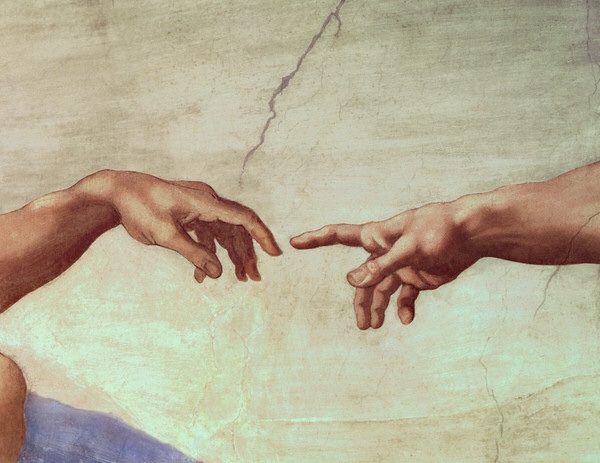
Michelangelo Buonarroti – Michelangelo’s hand was touched by genius and by madness. The paintings and sculptures of this artist rank among the best in the world, and a visit to Italy to see his work should be on everyone’s bucket list. He produced a huge volume of work with meticulous detail, leading some art historians to speculate that he had obsessive-compulsive disorder. He also suffered from depression and anxiety, shutting himself away from the world for days at a time to work, forgetting to eat or change clothes.

Painting by: Michelangelo Buonarroti

Michelangelo sculpted two of his best-known works, the Pietà and David, before he turned thirty. Although he held a low opinion of painting, he also painted two of the most influential frescoes in the history of Western art.

Much of his correspondence and notes have survived which means that his life and personality are well-documented. From his correspondence we know that he lived like a poor man, was indifferent to food and drink, and often slept in his clothes and boots. The earliest biography of Michelangelo, by Paolo Giovio (circa 1527), says Michelangelo’s nature “was so rough and uncouth that his domestic habits were incredibly squalid, and deprived posterity for any pupils who might have followed him.”

In one of his letters to his father, the artist wrote, “I lead a miserable existence and reck not of life nor honor – that is of this world; I live wearied by stupendous labors and beset by a thousand anxieties. And thus I lived for some fifteen years now and never an hour’s happiness have I had.”

As art fans, we can’t help but feel deep gratitude that Michelangelo and these other incredible artists persevered despite their illnesses to make beautiful and lasting works of art.

What do you think?

I find it very interesting that people with such talent, couldn’t see their own value enough to pull themselves through such darkness in their lives. But the same goes for anyone suffering from depression, anxiety, or any other mental health issue. We need to realize that we all have something special within ourselves that we may not be able to see, but it is there. Our own self value is so great. Never be afraid to speak up and get help. Never be ashamed to talk to someone who you trust. It’s human to go through obstacles in life. We all go through something that we may need a helping hand with. But we must understand that giving up is never an option. Break the silence, break the stigma.

I know that some of those artist stories ended in tragic events. But the emotions we feel as we read about them. It’s easy to feel and see that they were so much more than their illness. So much more than their negative emotions. We need to look at ourselves more like that. We are so much more than our struggles.

Here is a note from the article writer from the six artist we learned about today: “So many have struggled with mental illness and we want you to know that YOU ARE NOT ALONE.”

That is a strong message within only three lines. It is an acknowledgment that there is HOPE. People do care about YOU. You are LOVED. You are WORTH IT. 🖤;

For a crisis situation: Call 1-800-273-TALK (8255) to reach a 24-hour crisis center, text MHA to 741741

Inhale positivity-Exhale negativity

Did you know that you can breath your way to a calmer you?

Try out this breathing technique for anxiety reduction.

Need a way to clear your mind of negativity? Or maybe you want to settle those unwanted feelings of anxiety…

We have all been anxious or stressed about something in our daily lives. I know all too well that nagging voice in the back of your head, or that pit in your stomach giving you over active butterfly’s at just the thought of something you may be dreading, or maybe over thinking. It can seriously interfere with a what was once a pretty normal day.. or hey, maybe you rolled out of bed already feeling that way.

So, I wanted to share a technique that I’ve learned through my journey of tackling that pesky unwelcome “friend” called anxiety.

Years ago, I had a therapist. Let’s call him, “Joe”. Well, interestingly enough, I already knew Joe. He was a therapist at my past alternative school. Yeah! I went to one of those! But I was an obedient teenager, I swear! haha. I was actually quite quiet and shy, just unfortunately, overwhelmed by depression and anxiety. So, I needed a learning facility with that added bonus, therapy!

But yeah, I was excited to have Joe as my therapist at the local counseling facility that I chose to go to. I felt comfortable already having that established therapist to patient relationship. He was a pretty laid back guy. Easy to connect with, you know, someone a teenager would be able to open up to. Thinking back I’m sure that was his goal personality. Haha. But he was also very professional and had a lot of great tips. Especially for that thing lives loves to eat some of us up inside.. You got it! Anxiety.. We even shared our personal poetry together! It was pretty cool to know that someone else had such a passion for it as I did. I’ve always liked the edgy, free flowing side of life. I know right, typical alternative school drop out. “oops” LOL.

Okay, so as for the life saving technique! Actually quite literal, because I would honestly get so anxious that I’d eventually go into full blown anxiety attack mode, like all the time. So yeah, it felt quite life saving. I never knew how to tame that pesky feeling. I mean I never even knew that it was possible.. Other than a quick fix medication. Not that I’m against medication, but let’s be honest even being on an anti-anxiety pill, there are those days when it still sneaks through the cracks.

There was this breathing technique that Joe taught me. One that stuck with me all through the years, one that worked surprisingly well. At first when he mentioned what we were going to try that session, I felt like it was silly and there was no way that it would actually work. I didn’t have much faith in anything at that point in my life.. He said that he called it the 10 second technique. Sounds like a quick enough fix, right?

He began by telling me to always make sure I’m sitting in a comfortable seat or lying down before beginning. Pretty much any place that wouldn’t distract me, so someplace quiet. So we were in the perfect place! I was sitting in my comfy therapy chair! Okay. So, get comfy, check! He proceeded to instruct me to close my eyes and relax. To make sure I breathed at a normal pace and cleared my mind.

So, of course it’s important to be comfortable and to at least try to clear your mind, not breathing fast, as in hyperventilating, but I mean, hey Joe! not always possible! Right? …anxiety much?

Here is where the real art started. He said to close your eyes and count to ten, ten times. Making sure to breath steadily, count normally, don’t rush. Inhale through your nose and exhale through your mouth. Sounds easy enough right? And maybe you’re evening thinking, well okay, but how does this really help? It sounds too simple.

Here’s the most important part. When you are counting to ten, ten times. If you have even the smallest negative thought, you have to start over again from the beginning, until you can count to ten, ten times without any negative thought. And by that time, you are so distracted from those bad feelings and negative thoughts, that you are now back to reality, your body and mind totally let go of what was just putting your through so much chaos. You realize that you didn’t even get that dreaded anxiety attack, or if you were already having one, it’s gone! Or of course maybe you just had that nagging butterfly, pit in your stomach feeling.. but only now, it’s a thing of the past.

It’s not a cure for anxiety, but more a break away from the anxiety in that moment of time. I truly live by it. It’s not even something I thought would help when Joe first suggested we try it. It just naturally stuck. It stuck with me because it was my first true self calming technique to subside my anxiety. I will forever be thankful for that session.

I will always offer that technique to anyone who may need a helping hand with anxiety. I mean, you don’t even have to be diagnosed with anxiety to use it. It would even help for something as simple as those interview jitters!

And if anyone is wondering, I don’t see Joe anymore. I know! Who will I share my ever so edgy poetry with now? Well, I eventually went a different route in my journey, but know that it had nothing to do with my cool friend, Joe! He is out there somewhere teaching awesome anxiety techniques! And me?Well, I am, too.

Ten second breathing technique: (kick anxiety’s butt)

•Go to a distraction free environment.

•You can either sit or lay down. Just be sure that you are completely comfortable.

•Relax as best as possible and try to make sure you are breathing steadily. (Inhale through your nose, Exhale through your mouth) Steady breaths.

•Begin to count for 10 seconds at a time. (Normally paced counting) No rushing!

•Continue to count up to 10 seconds, 10 times. (Each time only thinking positive thoughts) Positive thoughts = positive feelings!

•Anytime you have any sort of negative thoughts at all. Start over from the beginning. 10 seconds, 10 times.

•It’s important to do this until you can get through the entire exercise with no negative thoughts at all. Nothing besides positivity!

You will then be on your way to a smooth, anxiety free day! Just as your deserve. Just as you will. Because you are strong and you will conquer that pesky unwanted visitor, we call anxiety.

Break the silence, break the stigma.

For a crisis situation: Call 1-800-273-TALK (8255) to reach a 24-hour crisis center, text MHA to 741741

“I CAN and I WILL. I will NEVER give up.” 🖤;

Did you know? Technology to the rescue!

Is virtual the new office visit? Well, for some it may be the new way to adjust.

Did you know that there are virtual therapist who are ready to help you?

From the comfort of your home, you can talk to a professional and get the help that you need.

So, we all know that technology has its up and downs. But hold the drama! Because I am loving these virtual therapy sessions! More convenient than ever before, be on the way to that happy person you know that you can be.

Finding therapy online is very simple. You can easily google the subject and you will be able to view many options and all of the information you’ll need to know to get started!

I like this option additionally because it would be really convenient for someone who may be anxious about getting started in person, as someone who suffers from anxiety may especially experience. Though, imagine if you find yourself in a situation where you just needed a quick go to, without the travel. Personally, I would choose it. Of course, that doesn’t mean staying withdrawn from social forms, it’s always great to get yourself out there in the world, but if the service is available and helps with beginners comfort, I say go for it!

Nothing is impossible, without the word possible!
In case of a crisis situation: •Call 1-800-273-TALK (8255) to reach a 24-hour crisis center, text MHA to 741741

It’s okay to feel

To feel is to be aware

It’s okay..

It’s okay to feel. To feel is to be aware of you and your feelings. To be aware of what you need. To be aware of being in need of help and speaking up. I am very big on self awareness and breaking the silence and breaking the stigma around mental health. Everyone, everyone has mental health. It’s human. Sometimes we look from the inside out and we see such happiness surround ourselves but all we can feel is a deep hole, a wound that never seems to heal. We feel empty… and it’s perfectly okay to feel. But what we all need to understand is, it’s not okay to not heal that wound. Healing is more than possible, it’s closer than we think. Depression has a way of making us feel far away, way down below, when in reality, we never left the surface. Never feel ashamed of what you feel, never let yesterday become your today. Life is a journey full of experiences and lessons. It’s an amazing thing. If we do not fail or fall down sometimes, we would never learn to stand up taller than before. We would never be able to experience great happiness without knowing what it feels like to be emotionally down. I would never promote feeling bad. That’s not what I mean.. I mean that how would we know how great it is to feel that beautiful, warm summer morning, if we never felt the cold? It’s like a breath of fresh air, to go through change. So, sometimes that’s all we need is a breath of fresh air within ourselves, which would be the change. Changing the bad feelings into the positive, good feelings. I know personally how it feels to believe that change and/or happiness is not possible. I know the dreadful feeling of trying and failing and thinking that it will always be a never ending cycle. But what I also know is.. those feelings are not true. They are a part of the cycle of depression, so yes a cycle is right.. but not the hopelessness. Speaking out, speaking up for yourself is the very first step to healing. Finding that source of help whether it be talking to a professional, a friend, anyone you trust can make a huge difference. I remember trying multiple times to talk about my issues with depression/anxiety/ptsd in therapy and it seemed as if I was getting no where, which goes back to feeling of being stuck in that dark cycle… but always understand that it doesn’t always happen on the first try, don’t give up!because eventually we do find that perfect source of communication, a person we are comfortable sharing such vulnerable feelings with. Which then will lead to different strategies and tips to moving forward and managing your mental health. There are so many ways that you can get to that first step of healing… “feeling is not unhealthy, it’s when we ignore our feelings and/or feeling ashamed of being human, ashamed to ask for help”

Professional help list:

• Counseling (someone you are comfortable with)

• Support Groups (helps to see that you are never alone)

•Call 1-800-273-TALK (8255) to reach a 24-hour crisis center, text MHA to 741741

(Of course it is always best to seek professional help, though I know sometimes in an urgent time of need some like to have helpful tips for comfort) (in a crisis please always remember the help line posted above!)

Self Comfort options:

•Talk to a trusted friend/family member

•A hobby that makes you feel peaceful, happy, and gives self value

•Exercise (personally, I love going for a nice jog/run! I always end up feeling a huge difference in my mood after a good running session and some music!)

• Painting! (I am honestly not the best artist, at all. lol. But I really enjoy putting on some relaxing music, or sometimes no music at all, just me and my thoughts..depending on my mood, and getting out my paints and canvas and just painting away at how I feel, it honestly helps to put down in plain sight how you feel. It is an emotional release) emotional art is art. Maybe you’ll end up with quite an eye for what you paint and remember, the sky is the limit)

•Writing! (as said above, writing down how you feel is amazing! It’s like you are pouring all of the bad out into paper, into plain sight, but it’s no longer intensely within you, it’s now on the outside…I even tend to throw away what I write down after I’m done, as in to throw away all of those bad feelings, literally!)

•Get a pet. (If possible, a pet of your liking can be very comforting! I personally have 2 cats. And sometimes when I’m feeling a bit down or just want some relax time to re-group, a nice cuddle session with my fur babies help dramatically. The always love us for who we are. It’s like your own emotional service animal.

Now that we talked about some tips to help, how about going over the signs and warning signs that we may be struggling with an emotional/mental health issue.. because honestly, sometimes we don’t fully know or understand what we are going through. Signs of emotional distress:

•Long-lasting sadness or irritability

•Excessive fear, worry, or anxiety

•Extremely high and low moods

•Social withdrawal

•Dramatic changes in eating or sleeping habits

Of course these are just a few signs, but always stay self aware! Know when you may need to seek help or find that positive comfort in your life.

Looking over the list of signs and tips to get help are a way to understand what is normal for you personally and what is abnormal, and how those can be managed. Even if you are unsure, it never hurts to talk, to break the silence and get help understanding what may be going on with yourself emotionally. Maybe it’s just a bad day, an unlucky week, or maybe you are in face showing signs of depression, anxiety, or another type of emotional issue.

Always remember, we are worriers, and giving up is never an option! We all have a beautiful purpose in life.

Break the silence, break the stigma!✊💚